What Does a Cancer Treatment Journey Look Like?
From finding out something is wrong to treatment and the years that come after, what the path usually looks like and where early detection fits.

It usually starts with something small: a cough that hangs around long after a cold, a lump noticed in the shower, a blood test a doctor wants to repeat. What comes next follows a similar path for most people, even though nobody's experience is quite the same, from finding out something is wrong to treatment and the years that come after.
What Are the First Signs That Something Is Wrong?
There are usually two ways in. Someone notices a symptom and goes to a doctor, or a screening test picks something up before there's any symptom at all. The second matters more than it might seem, because many cancers cause no symptoms while they're small. A growing tumour changes how its cells use energy, and the chemicals they give off, long before it presses on anything or hurts (Haick et al., Chemical Society Reviews, 2014). Pain in particular tends to arrive late: in a study of almost 8,000 people with cancer in England, chest and back pain were consistently linked to cancers that had already reached stage IV (Koo et al., Lancet Oncology, 2020).
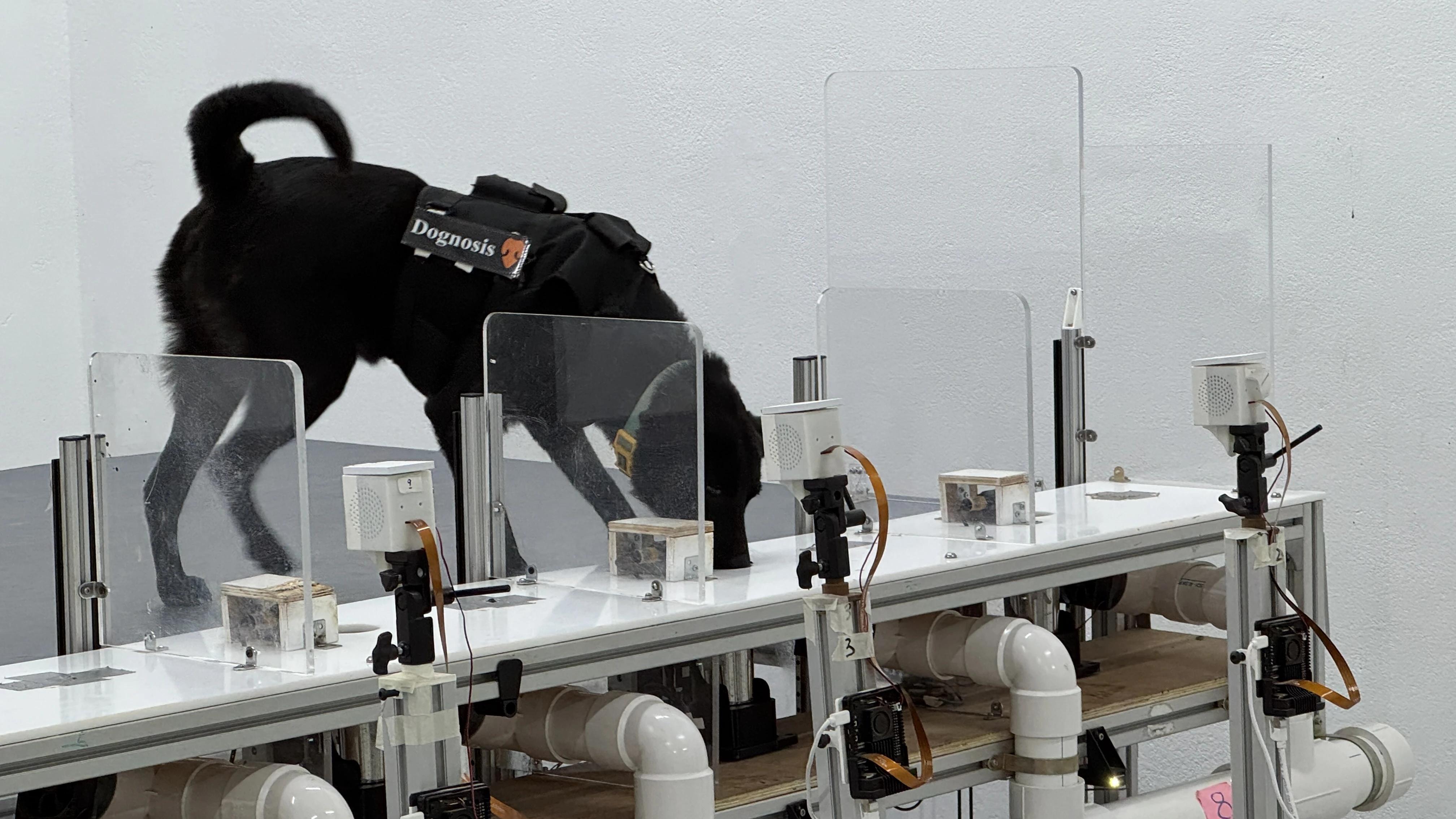
That gap is where BreathEasy comes in. It sits at the very start of the care pathway, next to routine blood tests and the yearly check-up, and helps your doctor understand your cancer risk before anything feels wrong.
What Happens After Cancer Is Suspected?
The next steps usually go in a familiar order: a visit to a GP or family doctor, a referral to a specialist, then scans and blood tests. Researchers split the time this takes into two parts, the patient interval, from first noticing something to seeing a doctor, and the diagnostic interval, from that first visit to a confirmed diagnosis (Weller et al., British Journal of Cancer, 2012). Both can drag on, and they tend to drag on longer in countries without policies for early diagnosis (Petrova et al., PLoS Medicine, 2022). In one study from Kerala, people with lung cancer waited around eight weeks before seeing a doctor, and then about five weeks more for a specialist referral, partly because many were first treated for tuberculosis (Yohannan et al., South Asian Journal of Cancer, 2023).
Fear plays a part as well. In a study of women with breast cancer, many who suspected cancer held off because they were afraid of what they'd hear, and others because of childcare, work or the cost (Ktari et al., European Psychiatry, 2025). We've written about why these delays happen, and what they cost people, in What Does It Mean When Doctors Say a Cancer Was "Caught Too Late"?
How Is Cancer Diagnosed and Staged?
Scans and blood tests can point towards cancer, but for most cancers, a biopsy is the only way to confirm it. A small piece of tissue is taken and examined under a microscope, which also shows what type of cancer it is (Mayo Clinic). BreathEasy doesn't replace that step, or any other test a doctor uses to confirm a diagnosis.
Once cancer is confirmed, doctors work out its stage, which describes how far it has spread from where it started. Stage 0 means abnormal cells that haven't yet invaded nearby tissue, stages I to III cover cancers that have grown or reached nearby tissue and lymph nodes, and stage IV means the cancer has spread to other organs (National Cancer Institute). The stage shapes both the treatment plan and the outlook. With lung cancer, 65.5% of people are alive five years after diagnosis when it's found before it has spread beyond the lung (SEER, Cancer Stat Facts: Lung and Bronchus Cancer), and far fewer are once it has. It's also why the order of tests matters.
What Does Cancer Treatment Involve?
What treatment looks like depends on the type of cancer and how far it has spread, and most people have more than one kind. Surgery removes the tumour, chemotherapy uses medicines to kill or shrink cancer cells, and radiotherapy uses high-energy rays to do the same (Centers for Disease Control and Prevention). Hormone therapy cuts off the hormones some cancers need to grow, immunotherapy helps the immune system attack the cancer, and targeted therapy goes after particular features of the cancer cells (Centers for Disease Control and Prevention; Cleveland Clinic).
In many hospitals, a team of specialists agrees the plan together, often including a surgeon, an oncologist, a radiologist and a pathologist. A review of these team meetings found that patients discussed this way were more likely to be staged accurately and to be offered treatment before or after surgery, and between 4% and 45% had their diagnostic report changed after the discussion. The evidence that the meetings improved survival, though, was limited (Pillay et al., Cancer Treatment Reviews, 2016).
Day to day, treatment can mean hospital visits over weeks or months, time off work, and a lot of sitting in waiting rooms. It helps to ask your care team what each stage will involve, and to bring someone along to appointments if you can.
What Happens After Treatment Ends?
When treatment ends, follow-up begins. In one large colorectal cancer trial, that meant a blood test every three months and a CT scan every six months for the first two years (Primrose et al., JAMA, 2014). Follow-up is there to catch a recurrence, a cancer that comes back, as early as possible. How likely that is depends a lot on the type of cancer and its stage. In that same trial, 16.6% of participants had a recurrence within about four and a half years (Primrose et al., 2014). Among women with the most common type of early breast cancer who were cancer-free after five years of hormone therapy, the risk of it coming back elsewhere in the body over the next 15 years ranged from 10% to 41% (Pan et al., New England Journal of Medicine, 2017).
The waiting can be hard. Fear of recurrence is one of the worries survivors mention most, and it tends to last for years (Simard et al., Journal of Cancer Survivorship, 2013). The days around a follow-up scan can be stressful enough that the feeling has a name, scanxiety (Bauml et al., Lung Cancer, 2016). We look at what a good test for this stage would need to do in a separate piece.
What Does Long-Term Care Look Like?
For many people, life after cancer goes on for years, and survivorship is now treated as a stage of care in its own right. Plenty of people go back to their usual lives after treatment, but cancer and its treatment can also leave physical and emotional problems that linger, and some only show up months or even years later (Stein et al., Cancer, 2008). Getting back to work can be harder too. Across 36 studies, cancer survivors were more likely to be out of work than people who hadn't had cancer, 33.8% against 15.2% (de Boer et al., JAMA, 2009). Families feel it as well: in one review, carers reported more fear of recurrence than the people they were looking after (Simard et al., 2013).
We're also studying whether BreathEasy could help at this stage. Our published results come from people who hadn't yet started treatment (Kulgod et al., Journal of Clinical Oncology, 2026).
Why the Start of the Journey Matters Most
Almost every stage of this is easier when the first one comes early, because there are more options at each step that follows. BreathEasy is planned to launch in Bengaluru in early 2027, and if you'd like to be among the first to take it, join the waitlist.