Every Disease Has a Scent
People noticed that disease has a smell long before we had anaesthesia, germ theory or the stethoscope. Here's how that old observation became a clinical question.


The History of Diagnosing Disease by Smell
Hippocrates taught his students to use breath odour to identify patients with liver disease, uncontrolled diabetes, and failing kidneys, a diagnostic tradition that predates every instrument medicine has since invented (Hippocrates, Prognostic, in Hippocrates, Vol. II, Harvard University Press, 1923). A breath that smelled of rot pointed toward liver failure. A sweet or fruity smell suggested the body was failing to break down sugars. Disease changes the body's chemistry, and chemistry leaves traces in the air. We trace the fuller story of how dogs entered this picture specifically in A History of Medical Detection Dogs.
What those physicians were detecting, without knowing it, were molecules, volatile organic compounds, or VOCs, carbon-based chemicals with high vapour pressure and low boiling points that the body generates as metabolic byproducts and expels through respiration. Every breath you exhale carries hundreds of them. Nobody knew how many until 1971, when Linus Pauling used gas-liquid partition chromatography, an early technique for separating a mixture into its individual chemical components, to run a microanalysis of breath and found something unexpected: normal humans exhale a large number of volatile organic compounds in low concentrations (Pauling et al., PNAS, 1971). With better instruments, the count kept climbing. A 2021 study, pooling findings across a wide set of literature across different techniques, puts breath's cumulative tally at 1,488 distinct VOCs, more than three times what turns up in blood or urine (Drabińska et al., Journal of Breath Research, 2021).
The human volatome, it turns out, is a remarkably rich document. The question is what it says, and whether we have learned to read it.
How Cancer Changes Your Breath
Cancer changes the body's chemistry before it announces itself in any other way. Tumorigenesis alters the genome and transcriptome, producing dysregulated metabolic pathways and a build-up of aberrant metabolites that diffuse into the lungs and leave with every exhale (Haick et al., Chemical Society Reviews, 2013). Cancer cells favour glycolysis over the Krebs cycle even when oxygen is available, a faster but less efficient way of burning sugar for energy that healthy cells only turn to when oxygen runs short, a shift known as the Warburg effect (Vander Heiden, Cantley & Thompson, Science, 2009). That rerouting generates acetone and other ketone bodies, byproducts of burning fat and sugar for fuel, which enter the bloodstream, reach the lungs, and leave the body in breath, a mechanism a 2022 review found documented across colorectal cancer specifically, tying the shift in tumour metabolism to changes in the gut microbiome as well (van Vorstenbosch et al., Metabolites, 2022).
Oxidative stress compounds the picture, and hypoxia is one of its main drivers. Tumour microenvironments are often starved of oxygen, and that hypoxic stress both raises oxidative stress and pushes cells further toward glycolysis (Semenza, Seminars in Cancer Biology, 2009). The oxidative stress that results generates alkanes and aldehydes, simple carbon-based compounds, measurable in exhaled air (Esterbauer, Schaur & Zollner, Free Radical Biology and Medicine, 1991), part of why aldehydes specifically have drawn attention as lung disease biomarkers (Floss et al., Molecules, 2022). Genomic instability and mutations add their own signalling and metabolic byproducts on top of this, each contributing its own chemical signature to the exhaled mixture (Haick et al., Chemical Society Reviews, 2013).
The result is a pattern rather than a single chemical signal, a molecular fingerprint that the disease writes into the air, and each disease writes a different one. Because pathogenic mechanisms such as hyperproliferation, local hypoxia, and oxidative stress are common across cancer types, the altered VOCs share certain features while still keeping a distinct balance for each, producing signatures a trained analysis can tell apart (Einoch Amor et al., European Respiratory Review, 2019).
That distinctiveness is what makes multi-cancer detection (MCED) hard rather than what makes it impossible. A system built to catch several cancers isn't hunting for one signature that covers all of them, it's holding several distinct fingerprints in mind at once and telling them apart from each other and from a healthy baseline. That's a harder classification problem than single-disease detection, not a looser one, which is part of why it took a fusion approach across many independent readers rather than a single fixed biomarker to make it work at all.
That fusion approach only pays off because the underlying biology gives it something to work with. The body signals distress even when no symptom has surfaced and no scan would catch anything yet. Lung cancer was the first place researchers looked, and since those early observations, they have documented differential VOC production across other solid cancers too, including pancreatic, gastric, oesophageal, prostate, ovarian, and breast (Einoch Amor et al., European Respiratory Review, 2019). Blood cancers had gone untested by breath analysis until a 2025 study became the first of its kind, finding VOC markers of lipid peroxidation that distinguished lymphoma from healthy controls (Stiekema et al., HemaSphere, 2025). More recently, meta-analysis has widened that same net further, VOC panels distinguished malignant pleural mesothelioma from healthy controls with 86% pooled sensitivity and 73% pooled specificity across eight trials (Zhao et al., Frontiers in Oncology, 2025). That range of cancer types is one kind of breadth. There's another: the VOC signal isn't confined to a single biological compartment. It surfaces across multiple biofluids and secretions, each offering a slightly different window onto the same underlying disturbance.
Why Breath Beats Blood and Urine for Cancer Screening
The same cancer-altered VOCs that appear in exhaled breath also appear in blood, urine, saliva, and sweat, and each matrix offers something different. Blood is invasive to collect and sensitive to storage conditions. Urine works well for urogenital cancers specifically, but picks up dietary and microbiome noise along the way. Saliva is easy to collect, but oral bacteria add their own volatile chemistry on top of anything disease-related, and a similar confound shows up on the gut side: shifts in gut microbiota track with colorectal cancer's VOC signature closely enough that some of what looks like a tumour signal is actually a microbiome signal riding alongside it (van Vorstenbosch et al., Metabolites, 2022). Breath avoids most of this. Its catalogue runs to 1,488 VOCs, nearly four times blood's 379 and well past saliva's 549, the largest tally of any single matrix by a wide margin (Drabińska et al., Journal of Breath Research, 2021).
Each matrix offers something. Blood carries VOCs that have circulated systemically, making it a rich sampling medium, but venepuncture is invasive, and pre-analytical variables such as storage temperature and time to processing introduce variability that complicates analysis. Urine-based VOC research has shown promise for certain cancers, particularly those of the urogenital tract, though the compounds present in urine reflect renal filtration rather than alveolar exchange, and the overlap with dietary and microbiome-derived volatiles is considerable. Saliva is non-invasive to collect, and salivary VOC profiles carry signals from both systemic circulation and the local oral environment, but oral bacteria generate their own volatile chemistry independent of cancer status, adding noise the analysis must account for.
None of these matrices need to win outright. The way we think about it, population-scale early detection is really two needle-in-haystack problems stacked on top of each other: finding a faint signal of early disease in one person, and finding the small number of people who actually have it within a much larger, mostly healthy population. A single test rarely solves both at once, so the more realistic answer is architectural rather than purely technical, a cascading funnel, with a broad, high-sensitivity, low-friction test at the top that narrows a population down, and narrower, more specific, more invasive tests below it for the people who actually need them. Breath sits naturally at the top of that funnel, with broad reach, minimal burden, and a job description that is triage rather than confirmation. Blood-based multi-cancer tests can sit in the middle, and organ-targeted imaging or biopsy at the bottom, doing the work that a first-layer test was never meant to do alone.
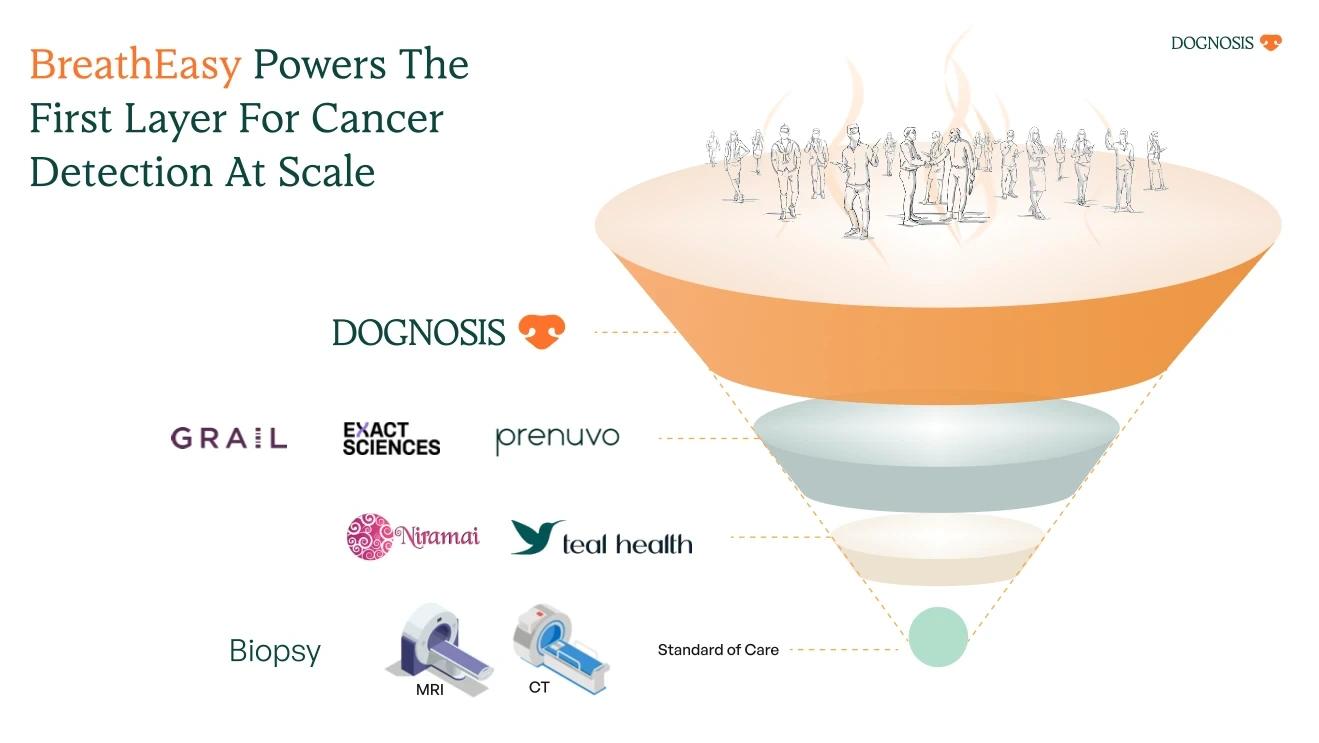
Breath occupies a distinct position in this landscape. Because cancer-related VOCs release from tissues into the bloodstream and exhale through alveolar gas exchange, exhaled VOCs can serve as an accessible, non-invasive, low-cost way of tracking metabolic and pathological change in cancer patients (Einoch Amor et al., European Respiratory Review, 2019). The alveolar interface is where systemic metabolism meets the outside world most directly, and exhaled air reflects the body's real-time biochemistry in a way a stored blood sample, drawn once and processed later, cannot quite match. Collection requires no needle, no contrast agent, no colonoscopy prep, no radiation. Just breathe.
That accessibility changes who screening can reach. In a population where the barriers to early screening remain stubbornly high, a matrix that needs no specialist to collect and carries no procedural burden matters for exactly that reason.
The Challenge of Reading Breath for Cancer
Thousands of VOCs in a sample, present in concentrations measured in parts per billion or parts per trillion, and no single compound serves as the signal. The difference between a healthy breath and a cancerous one is a shift in balance, not the arrival of something new, and reading that shift demands a precision the human nose has never possessed.
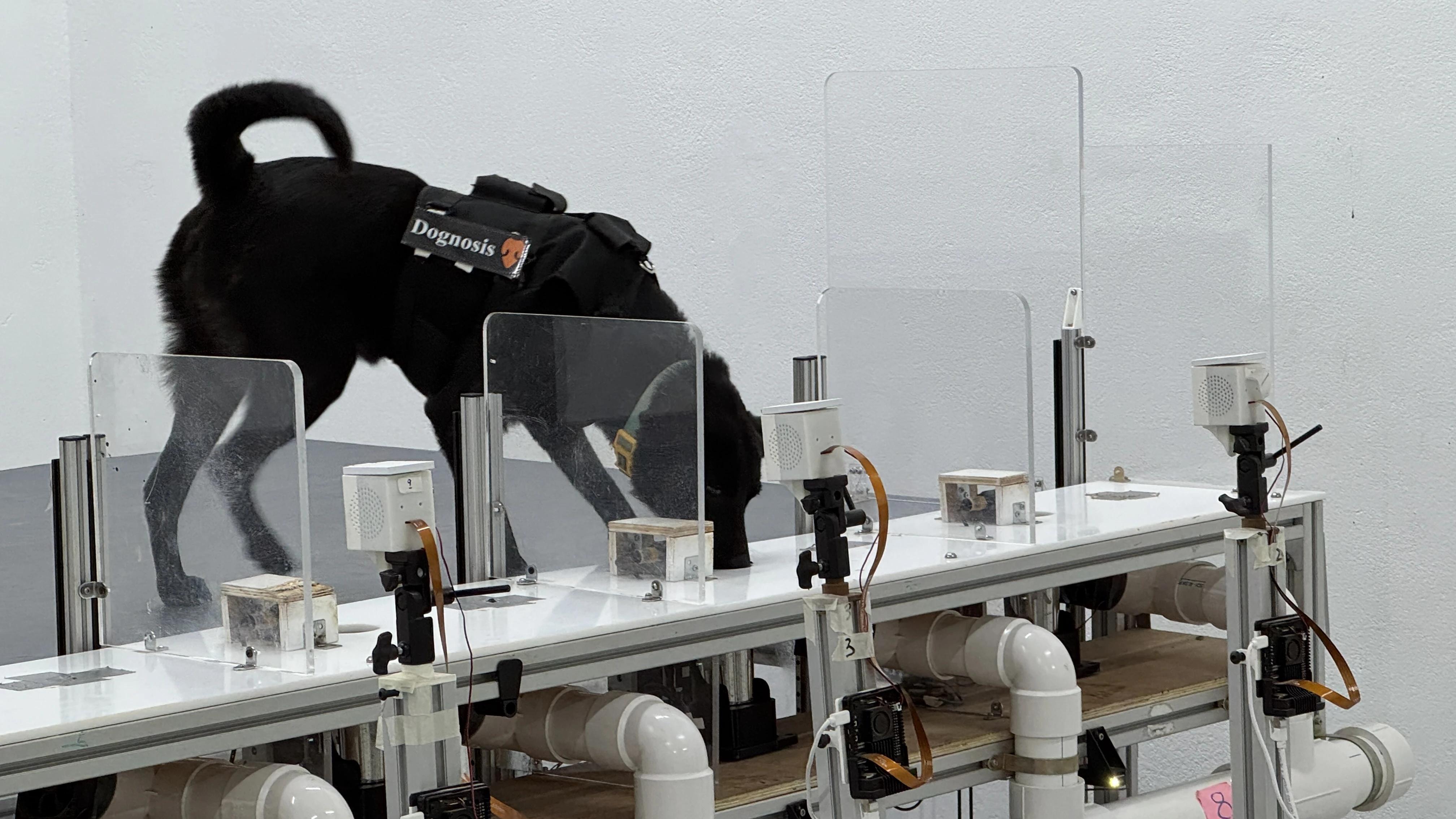
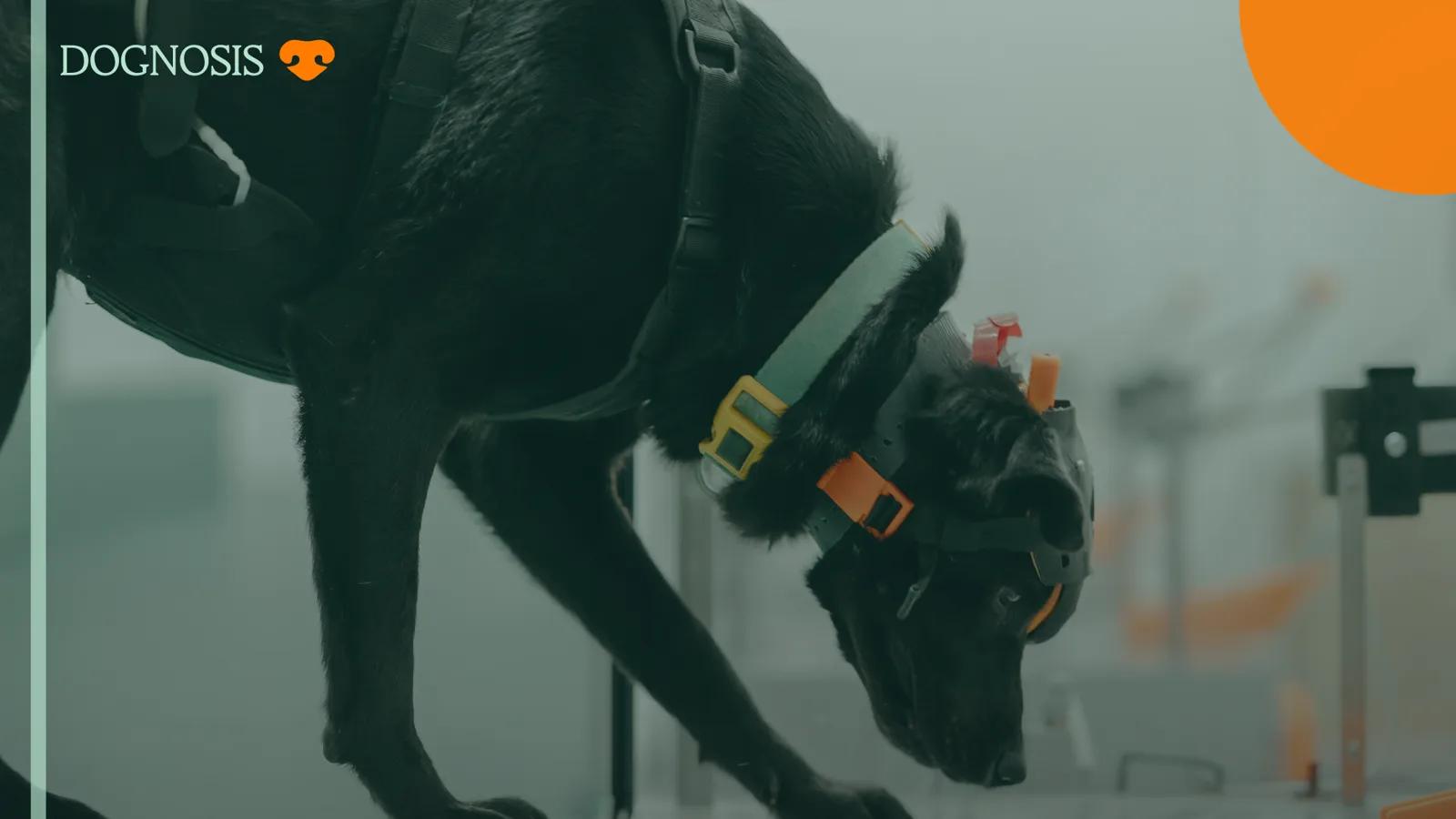
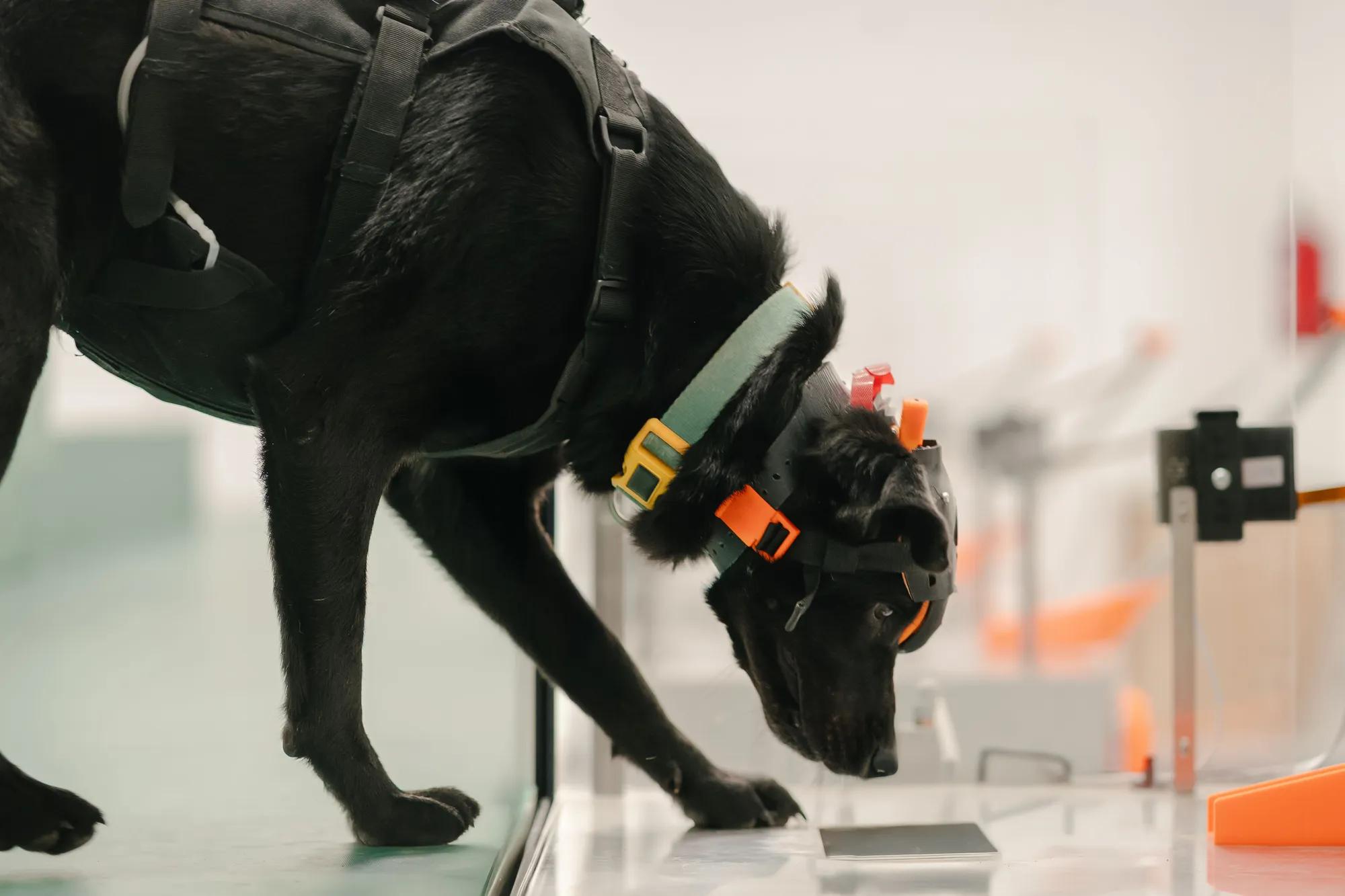
Reading a shift at that resolution needs analytical tools that have only recently become available: mass spectrometry, machine learning, and, in some of the most compelling research to date, the extraordinary olfactory systems of trained detection dogs, whose sensitivity to volatile compounds has guided scientists toward the right chemical territory. BreathEasy draws on that lineage. The science behind it was shaped in part by studying what trained detection dogs respond to in the breath of cancer patients, then building an analytical framework aimed at doing something similar at scale.
Our own Phase II study, "Canine Olfaction Combined With Bayesian Modeling for Multicancer Detection From Breath Samples: A Phase II Study in India," published in the Journal of Clinical Oncology in April 2026, tested this in 1,502 participants and found 90.8% sensitivity, 91.3% specificity, and an AUC of 0.962 across seven cancer groups, holding at Stage 1 (Kulgod et al., Journal of Clinical Oncology, 2026). That figure describes analytical validity under controlled conditions, not yet what the system does when it meets a real, unselected screening population, which is what the next phase of trials is built to answer.
The field is still maturing, and the researchers building this literature are candid about it: standardising collection, controlling for diet, medication, and environmental contaminants, and validating findings across large and diverse populations remain open problems, and clinical translation is still the exception rather than the rule across every biomatrix, breath included (Barbosa & Antoniosi Filho, Metabolomics, 2024). Progress is real, but measured, and the researchers making it are careful about what they claim.
The underlying biology isn't speculative, even where the engineering still is. Disease changes metabolism, which produces volatiles that leave the body in breath. That chain has been true since before Hippocrates named it, and BreathEasy is built on the same logic, with better instruments for reading what was always there.
Turning that logic into something people can actually use is the next step. BreathEasy is targeting launch in Bangalore in early 2027. If you'd like to be among the first to know when it becomes available, join the waitlist.