About us
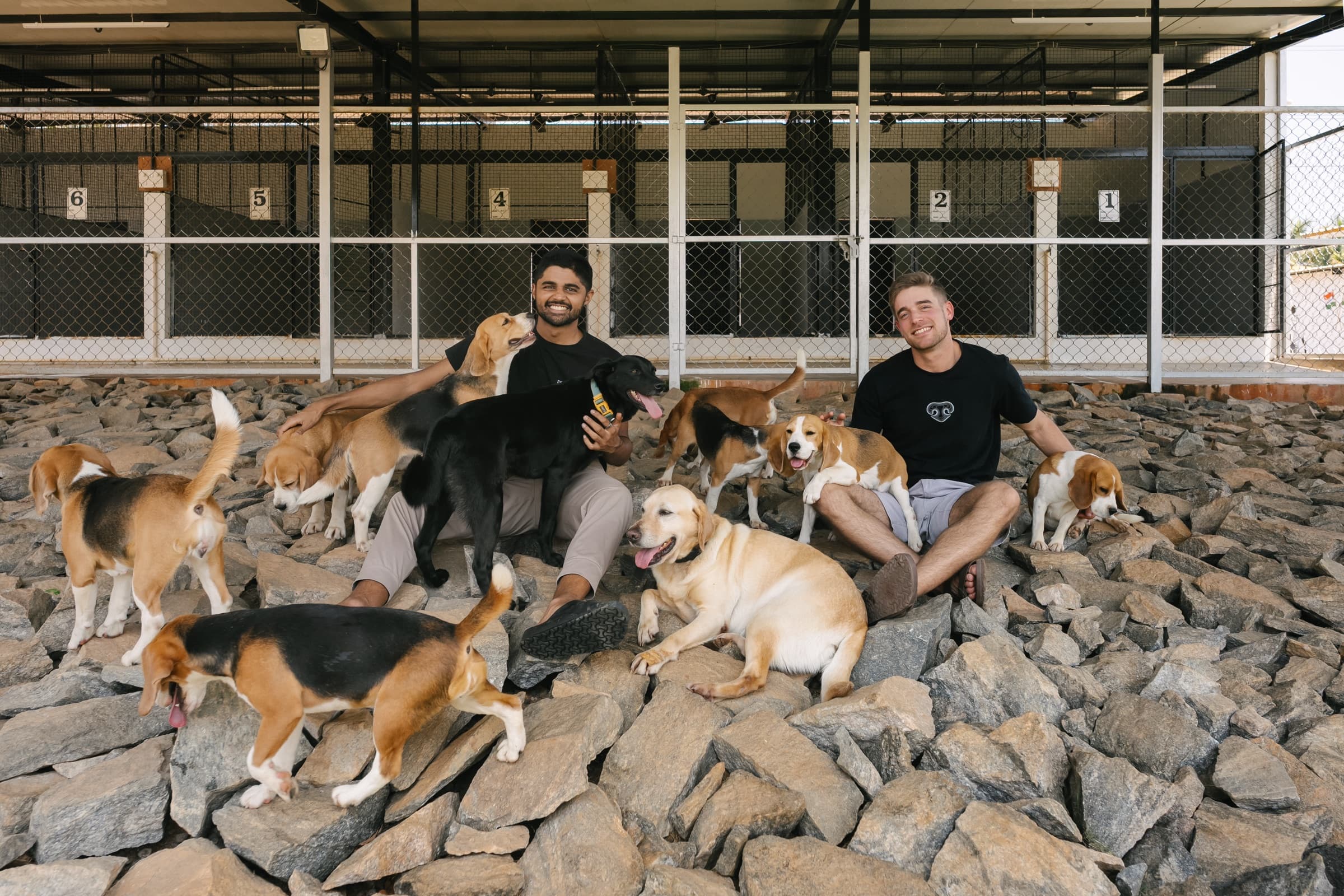
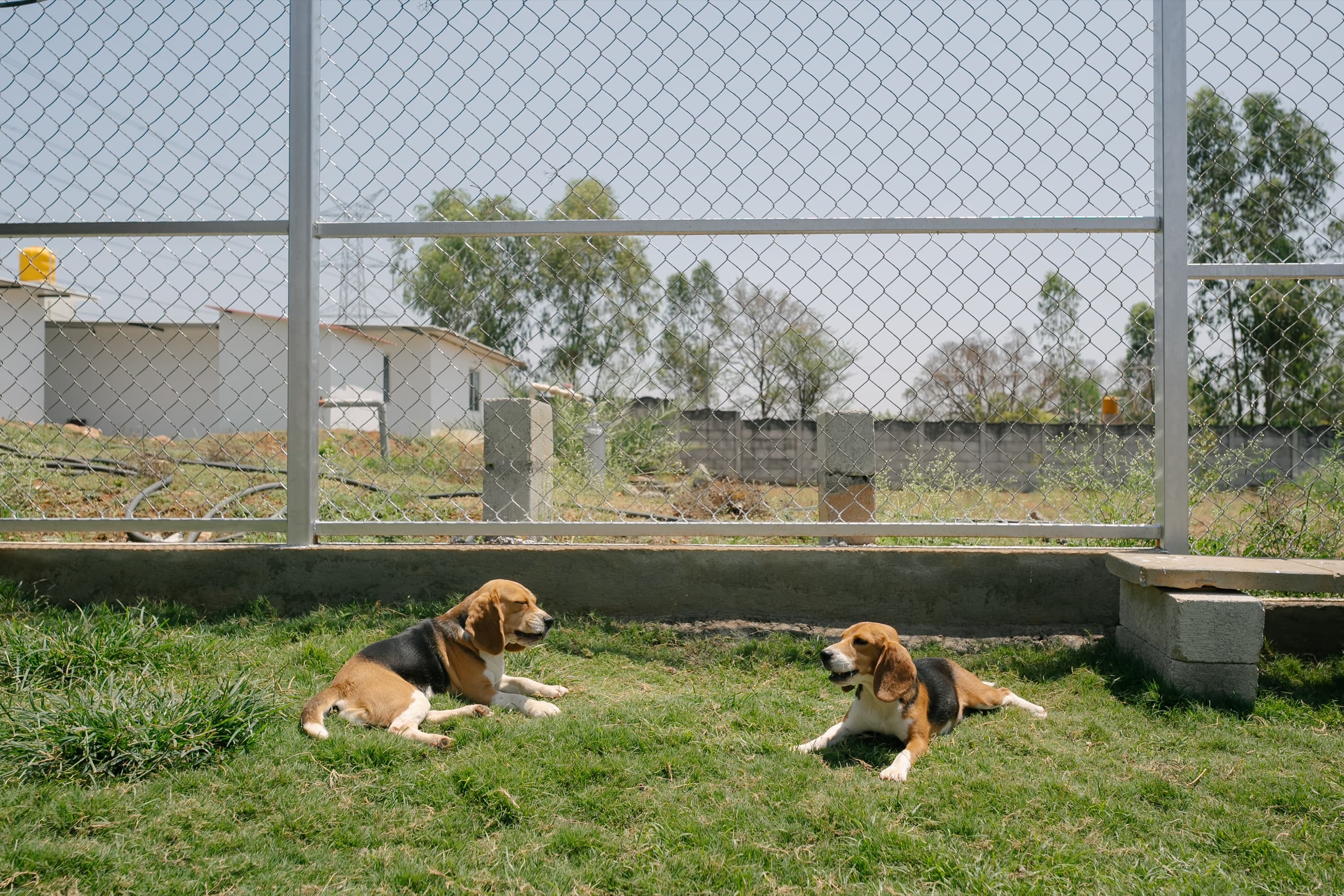
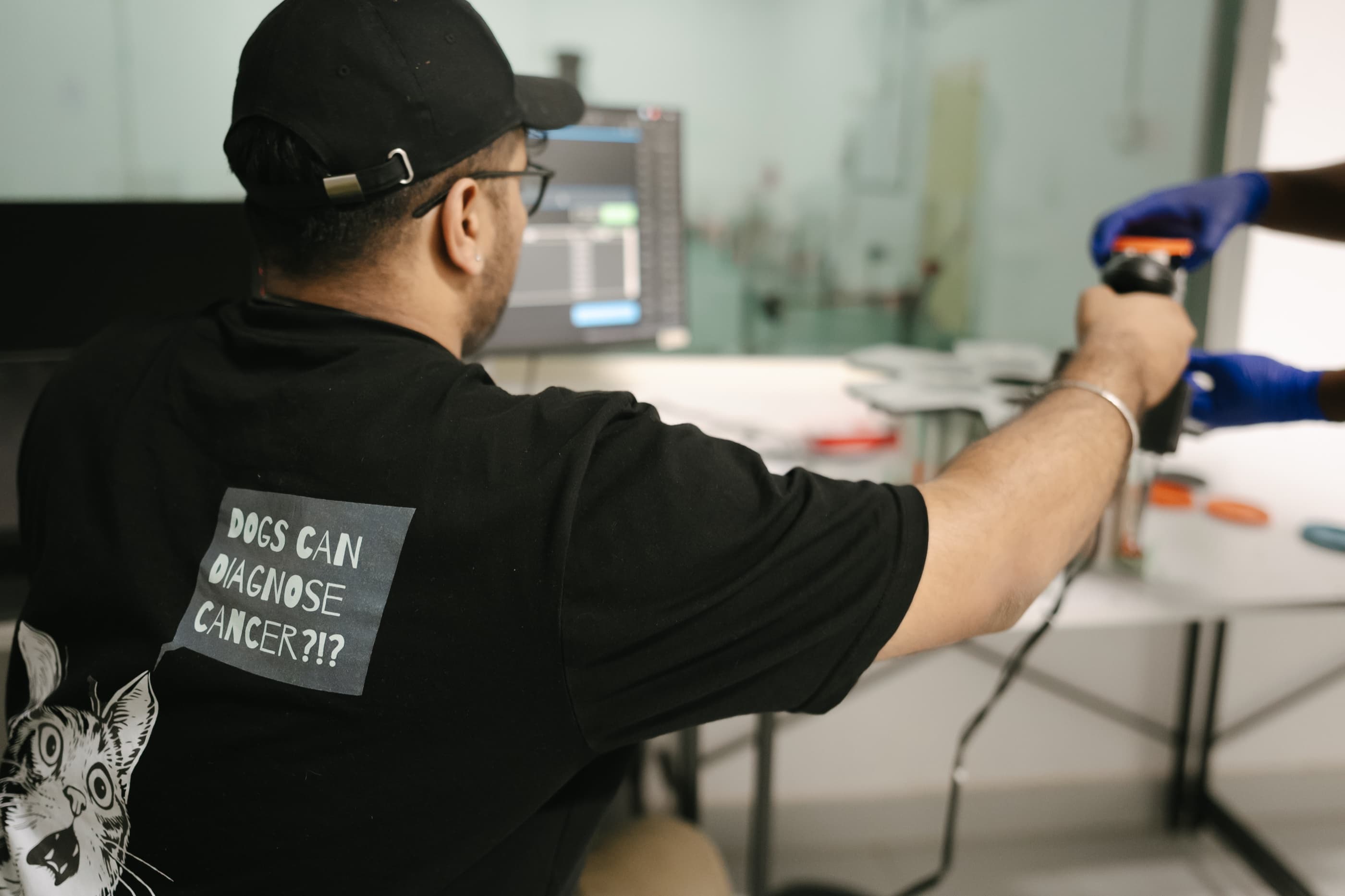
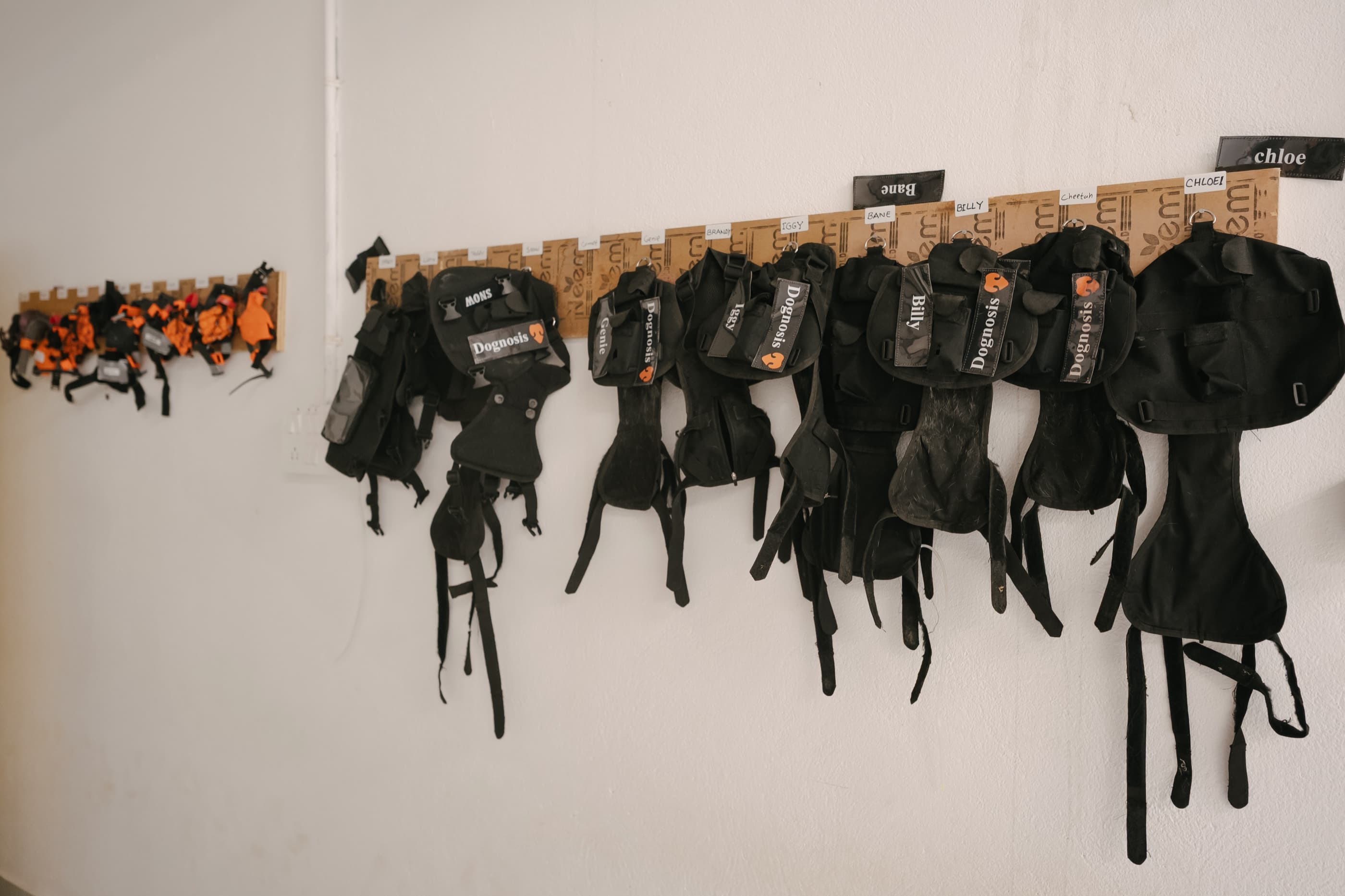
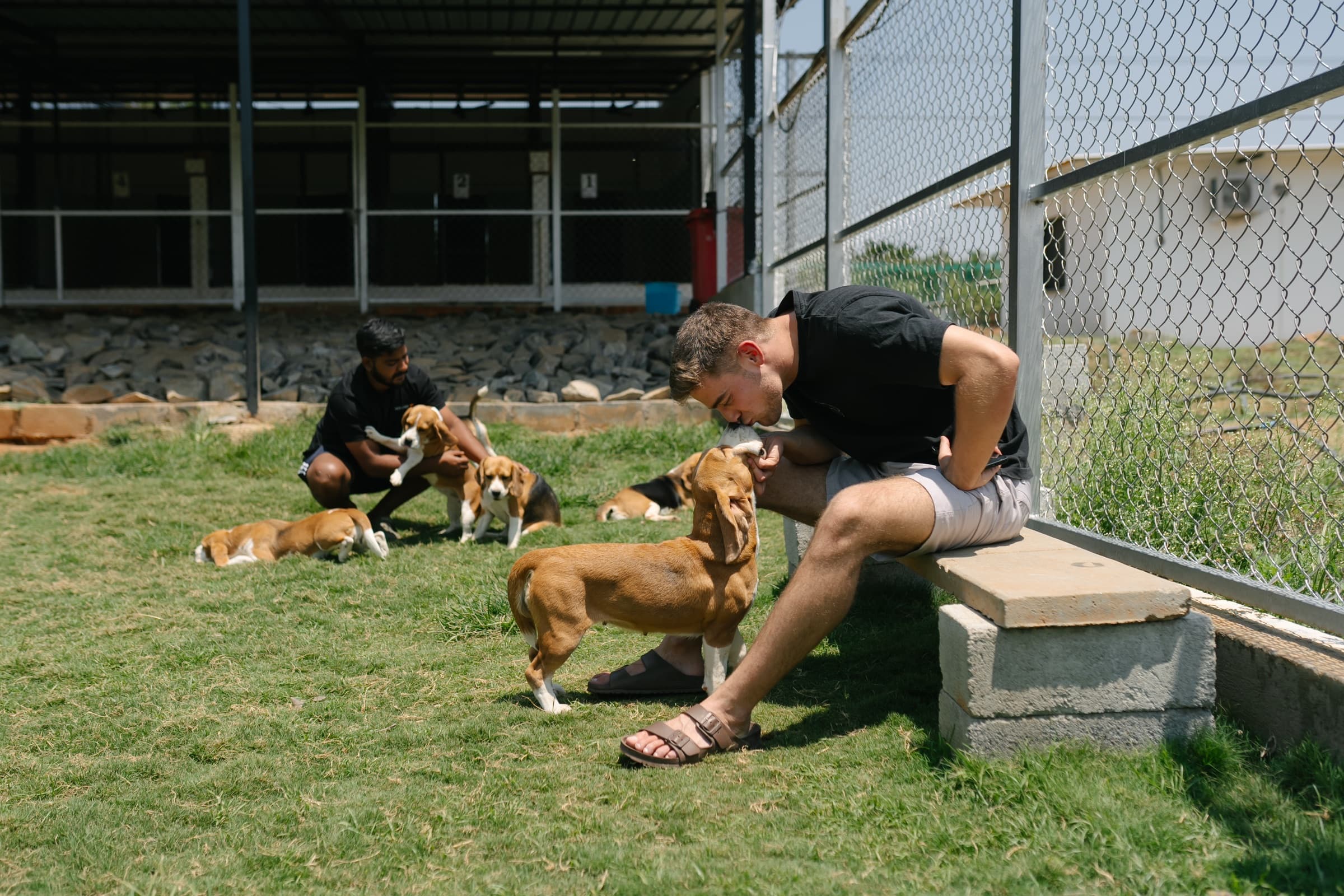
Dognosis is a deeptech company devoted to unleashing the superpowers of humanity's best friends. We build brain-computer interfaces, wearable sensors, robotic platforms and AI models to standardise, scale and augment canine olfaction. Our focus is a breath-based multi-cancer test that triages risk at population scale, so early cancer detection can reach everyone. Our mission is informed peace of mind for people and their companions, through interspecies technology that makes medicine truly proactive. We are based in Bengaluru, India, backed by Boost VC and 1517 Fund, selected for the Accel and Prosus Atoms X LeapTech cohort, and we work with healthcare and research institutions across India, the UK and the US.
We think from first principles, question the status quo, take responsibility, move fast and keep bureaucracy to a minimum. If you are new to startups, you may find the constant contact with reality, and the freedom to act on it, refreshing.
About the role
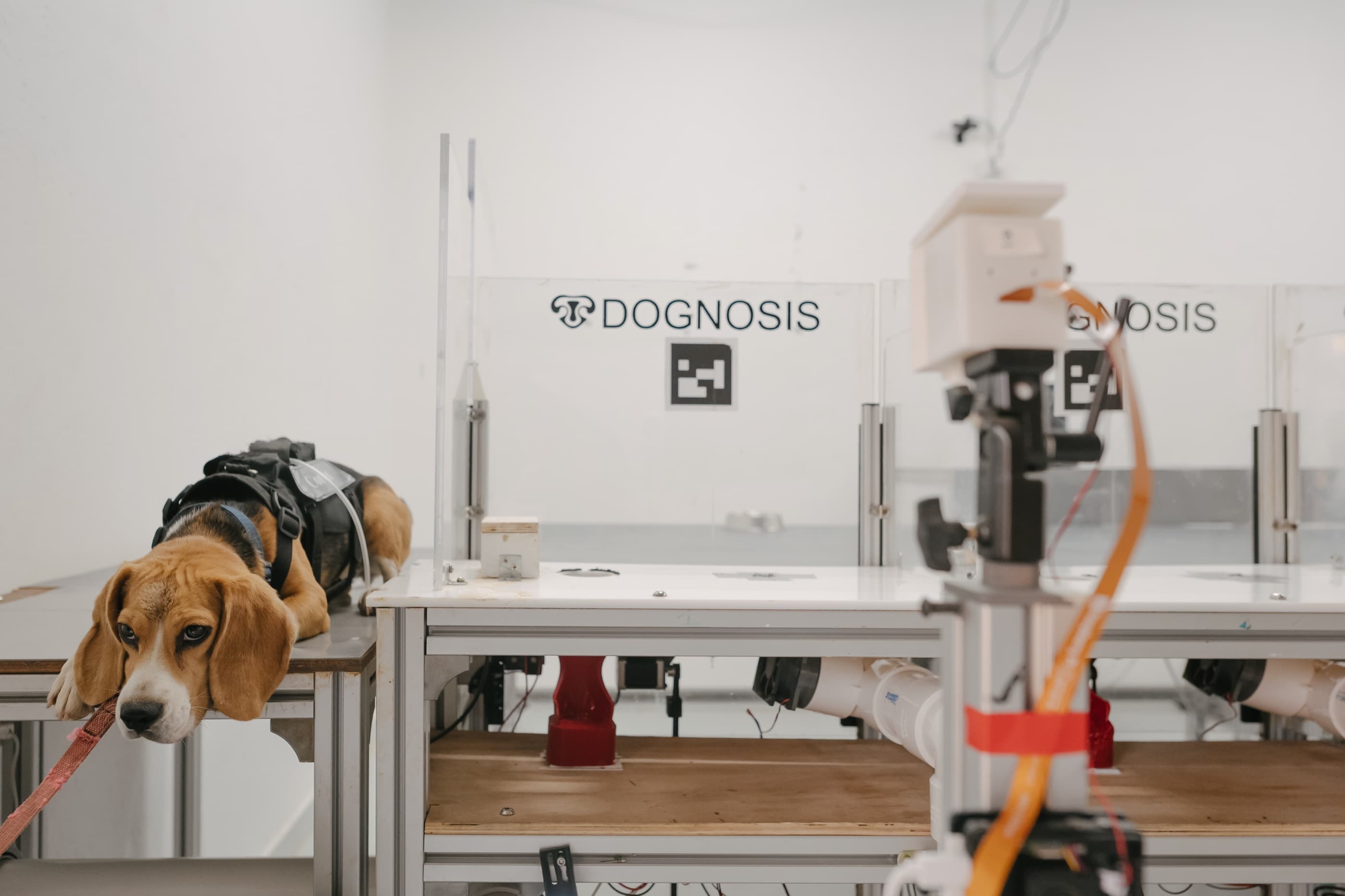
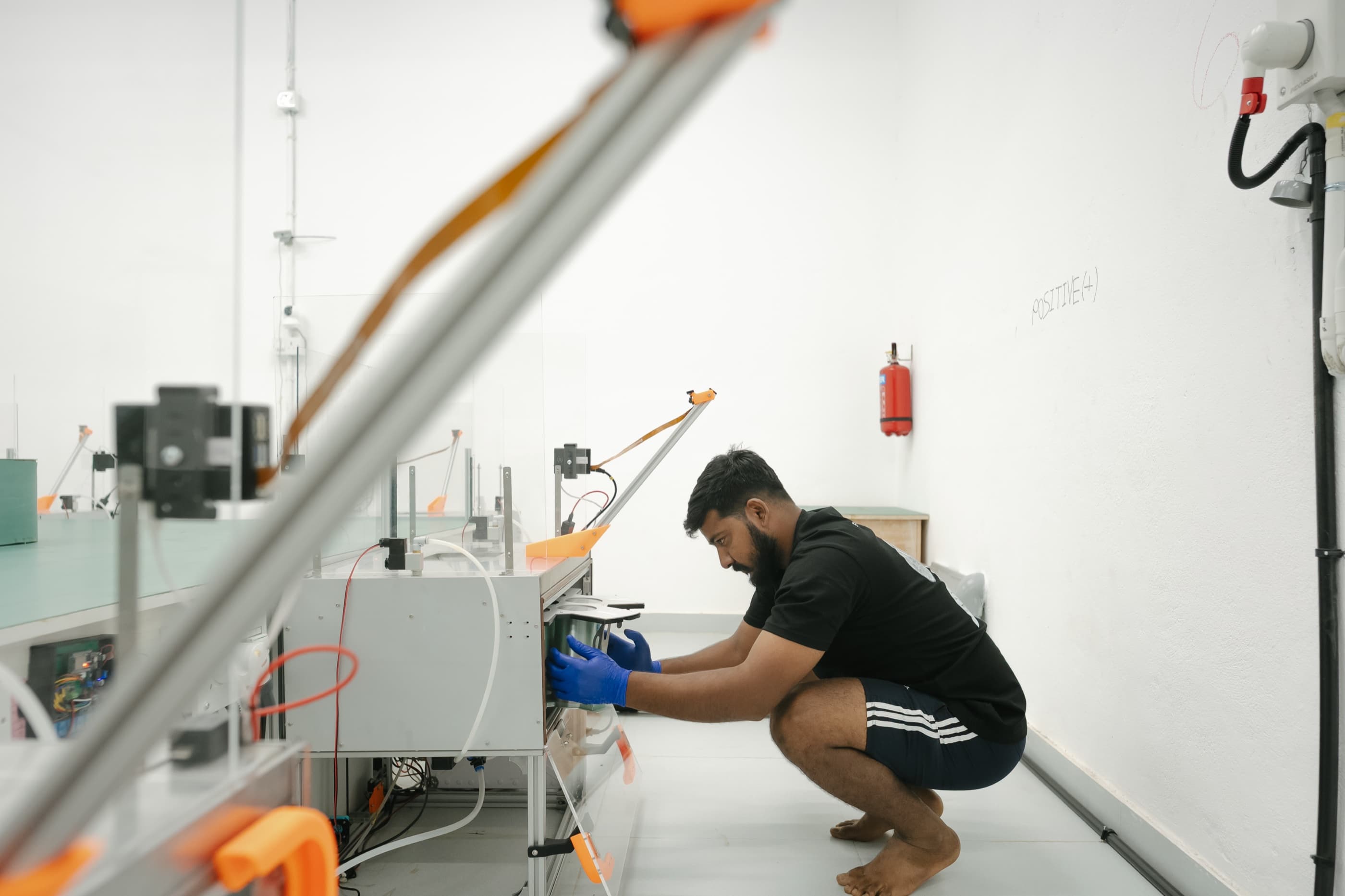
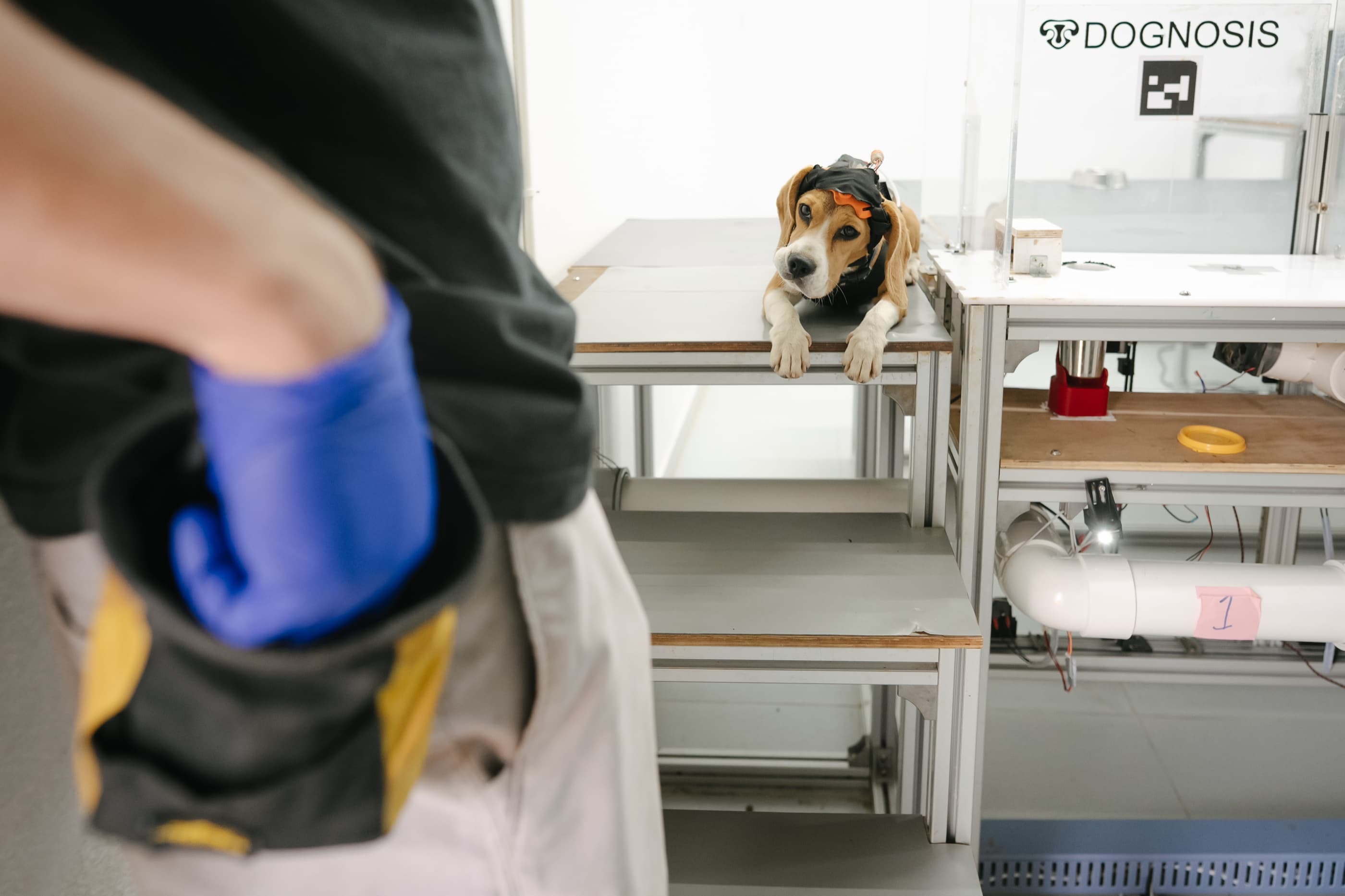
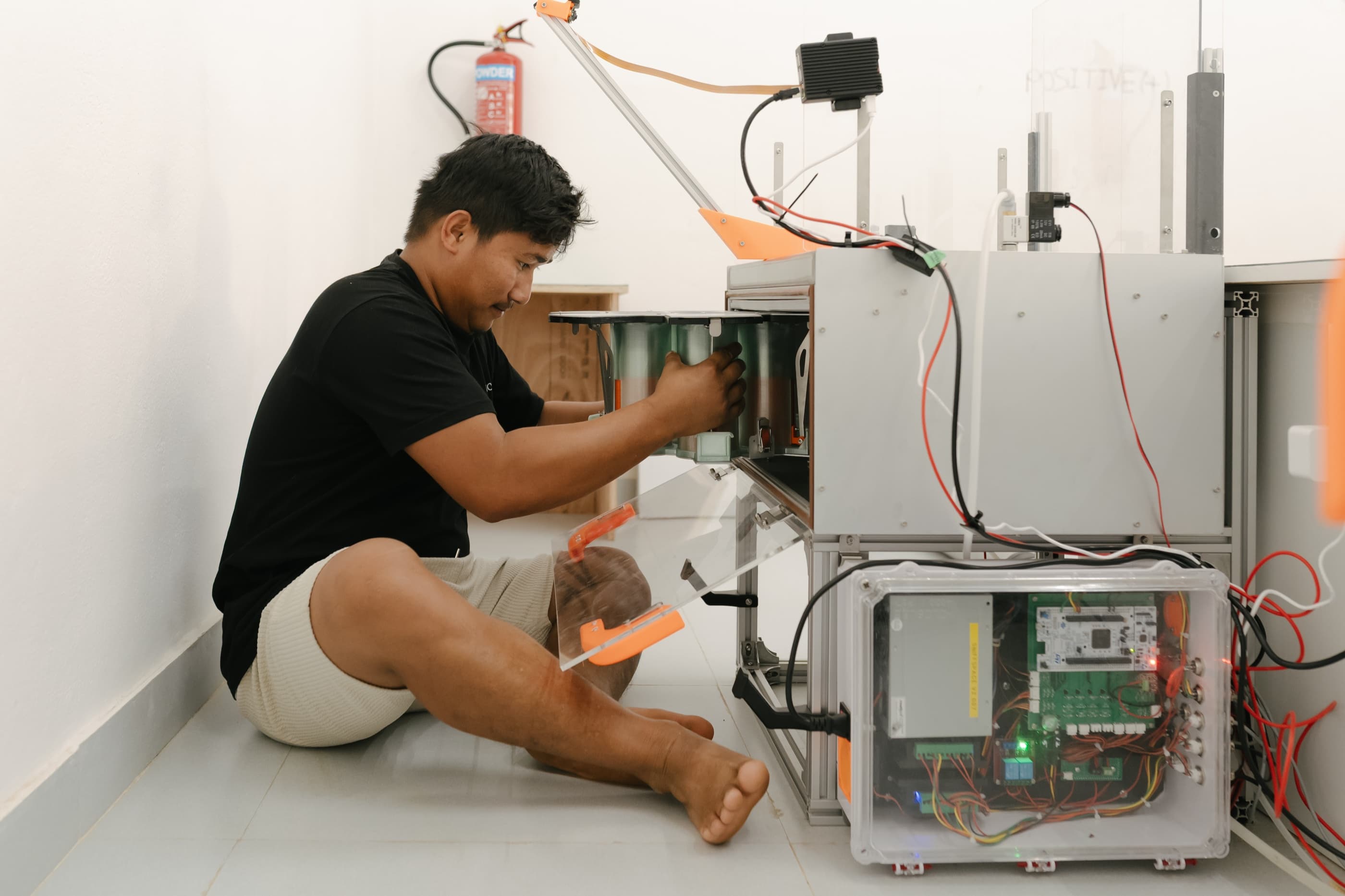
SniffSpace is how we present breath samples to our detection dogs. Our next platform, SniffSpace V3, is a fleet of mobile robots that carry sealed samples to the dog, so a session runs all day with nobody in the room. You will build, test and improve the parts that make that work, hands-on with our hardware, controls and software engineers.
The System
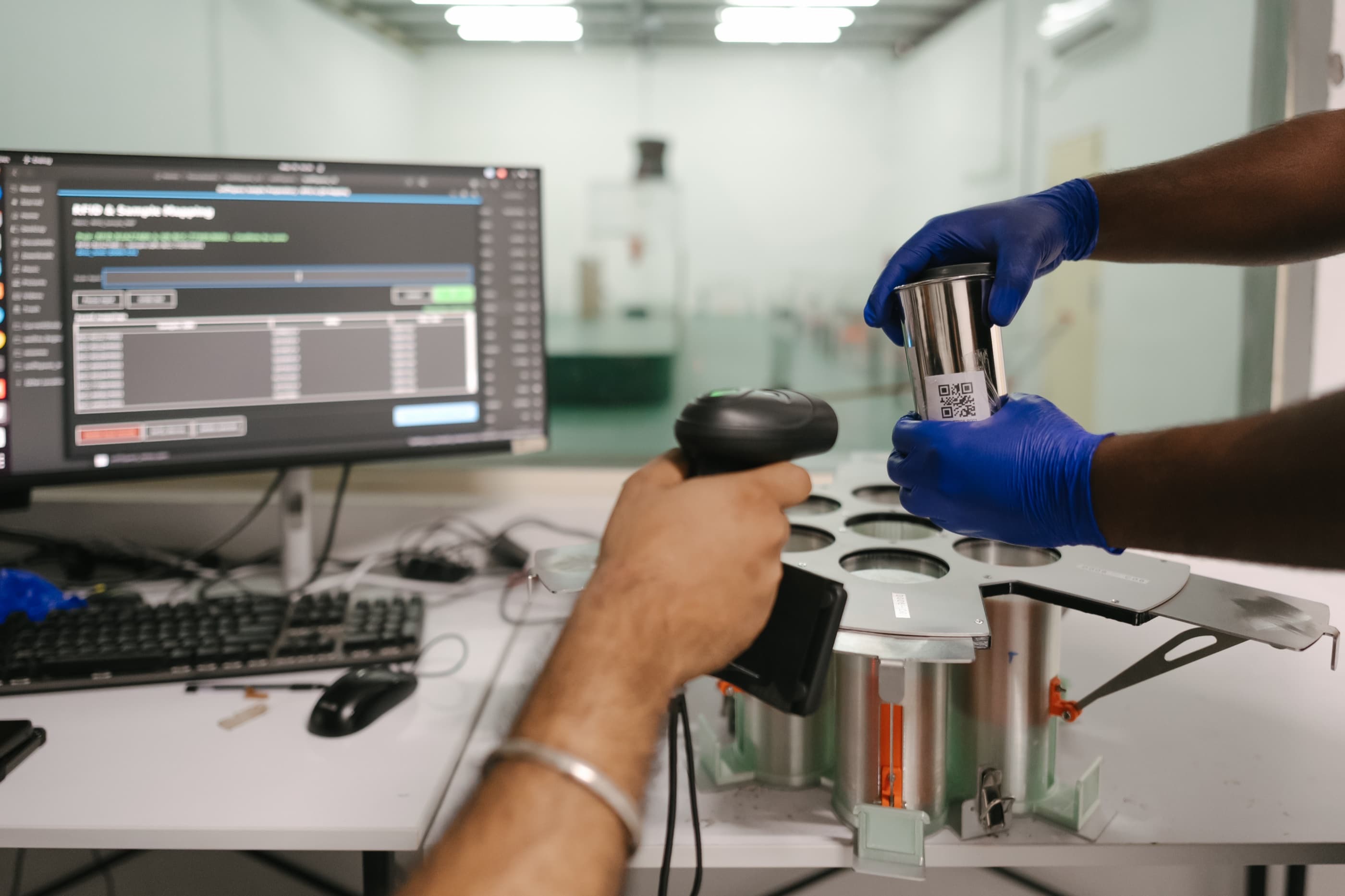
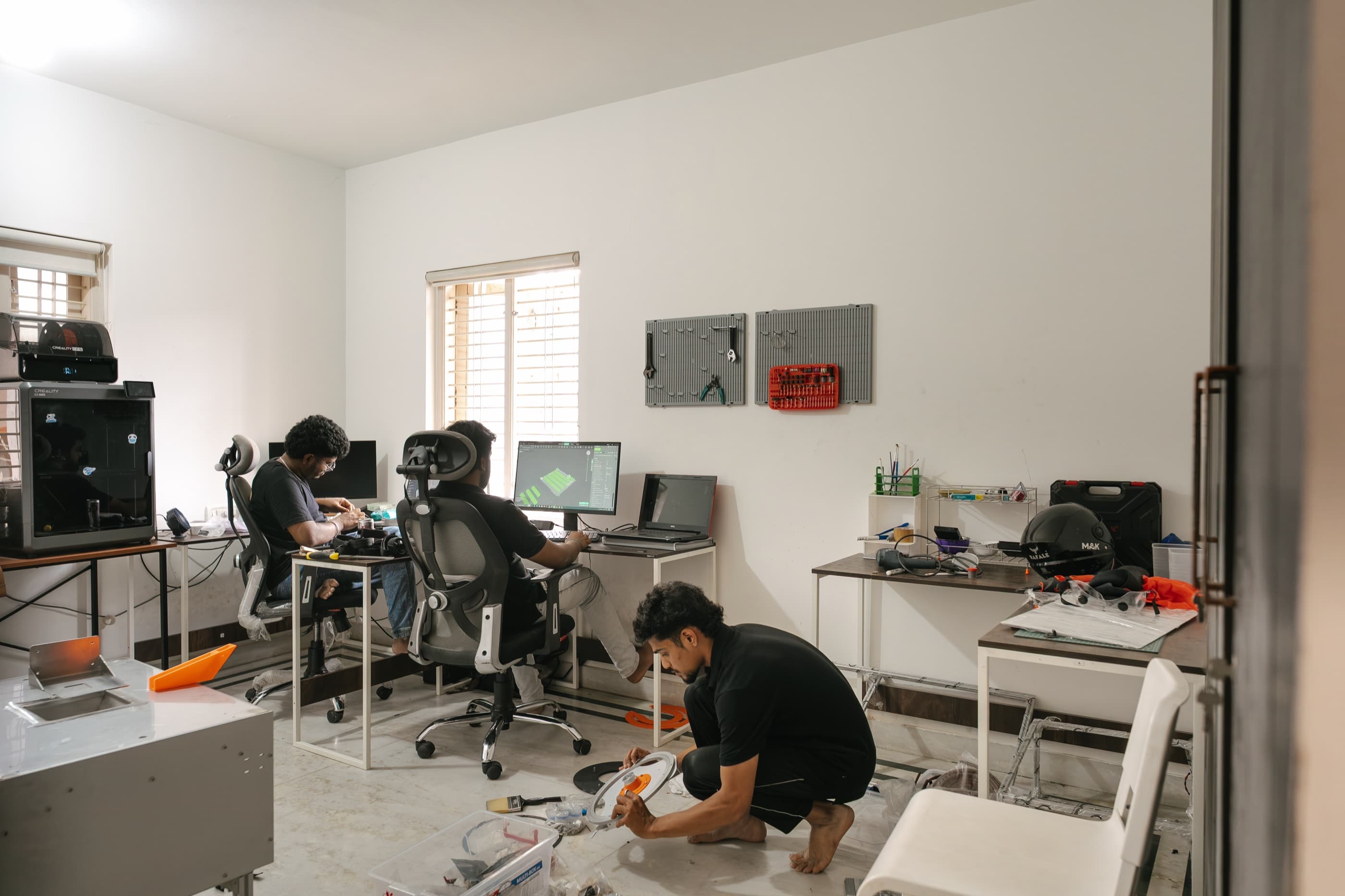
V3 puts sample modules on off-the-shelf mobile robot bases. The robots dock under ports the dog searches, present one sample at a time, and swap out between runs. Our current platform, V2, presents samples with servos, linear actuators, vacuum, RFID and latch mechanisms, on Raspberry Pi, ESP32 and custom PCBs, and it keeps running while V3 is built. We prototype in-house with 3D printing, CNC and laser cutting, and work with vendors across more than 600 parts.
What You Will Do
- Design, build and test the sample modules, ports and docking features that the robots carry and meet.
- Mount and integrate hardware on robot bases: payload, power, sensors, wiring and the controllers that run them.
- Make presentation repeatable: the sample lands in the same place every time, sealed until the dog needs it.
- Find out why things fail, and fix them: tolerances, materials, wear and misalignment.
- Turn prototypes into parts vendors can make, with drawings, tolerance stack-ups and assembly notes.
What Success Looks Like (6 Months)
- You own one part of V3, such as the sample module, a port or docking, end to end, and it works in a real session.
- Faults on that part are traced to a cause and fixed, not worked around.
- New units can be built from your drawings and notes without you in the room.
You Are a Good Fit If
- You have 2 to 5 years of hands-on mechatronics, robotics or machine-building experience.
- You are comfortable in CAD (SolidWorks or similar) and on the shop floor.
- You can wire, test and debug motors, actuators and sensors, and read a schematic.
- You like integrating fast with off-the-shelf parts, and you design for the field, not the bench.
Valuable but Not Required
- You have worked with mobile robots, AMRs or docking systems.
- You have built automation or lab equipment that runs unattended.
- You come from a rover, robotics or racing team.
- You have written firmware for microcontrollers or Raspberry Pi.
What You Will Get
- Hands-on ownership of the machines behind a test published in the Journal of Clinical Oncology.
- Work that shapes whether cancer gets caught early, at population scale.
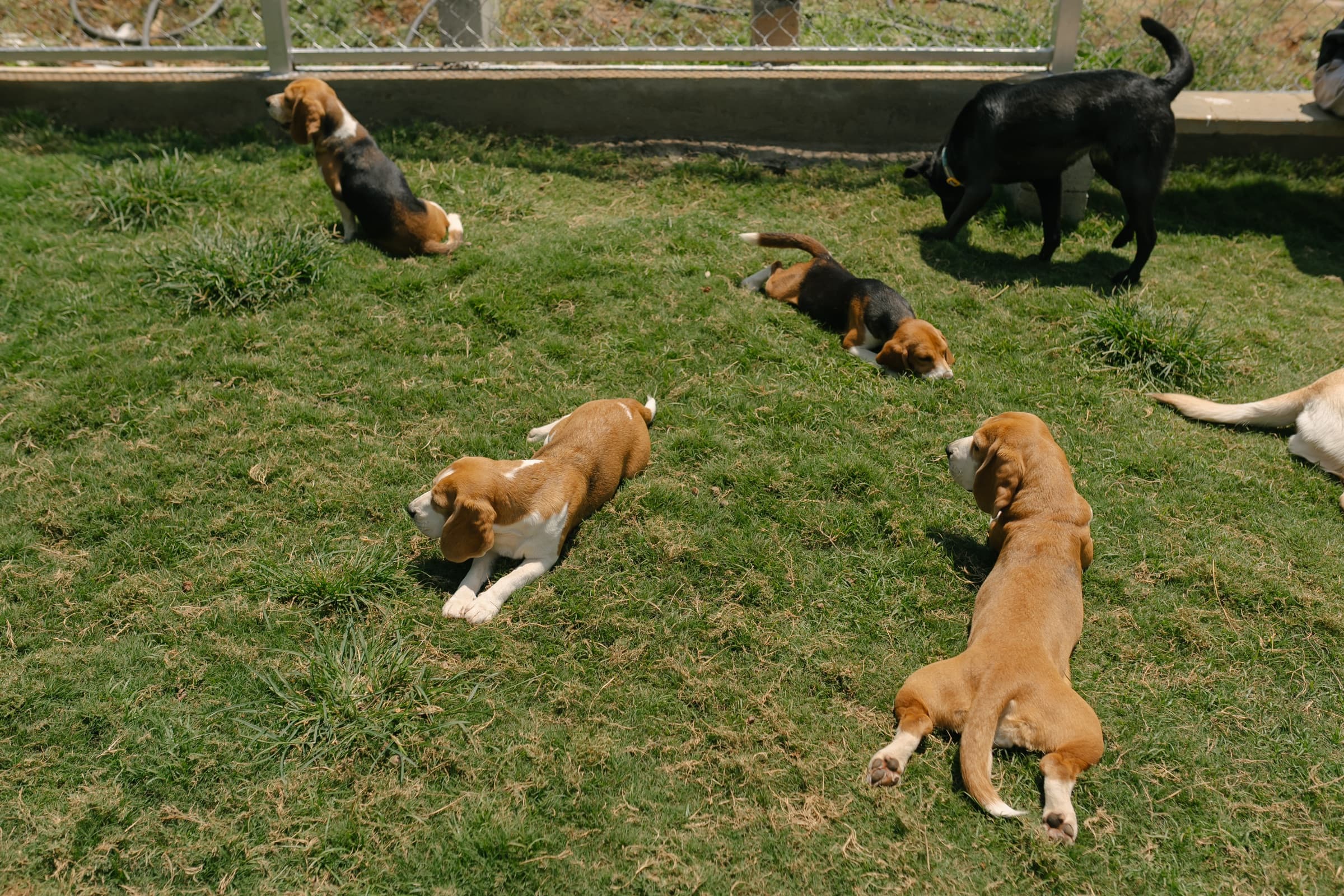
- A small, interdisciplinary team of engineers, scientists, clinicians and working detection dogs. The office is never boring.
- Health insurance for you, through Plum.
- Flexible hours, and work-from-home days where the role allows.
- Up to ₹10,000 a year towards a gym, a sport or any regular fitness activity.