About us
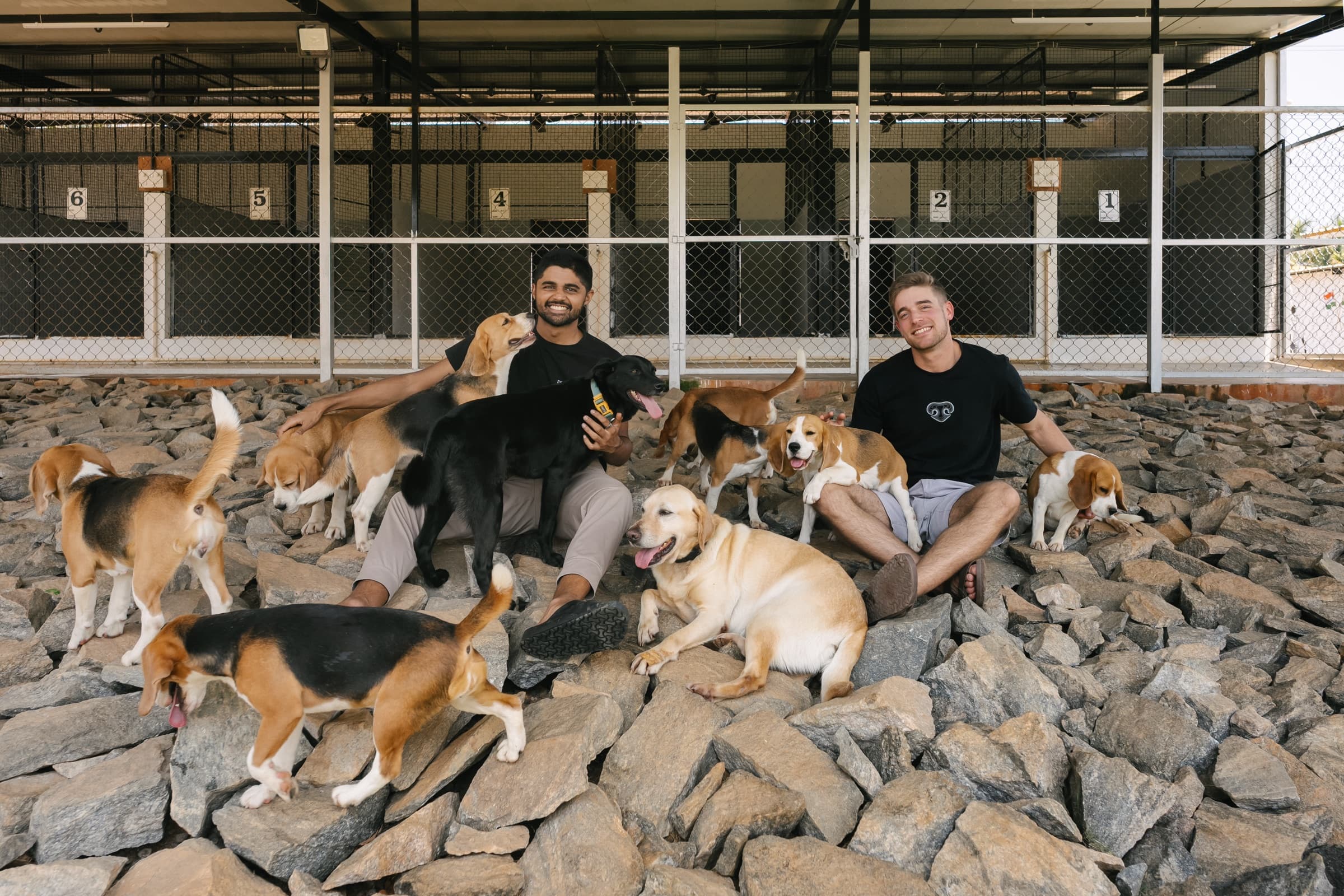
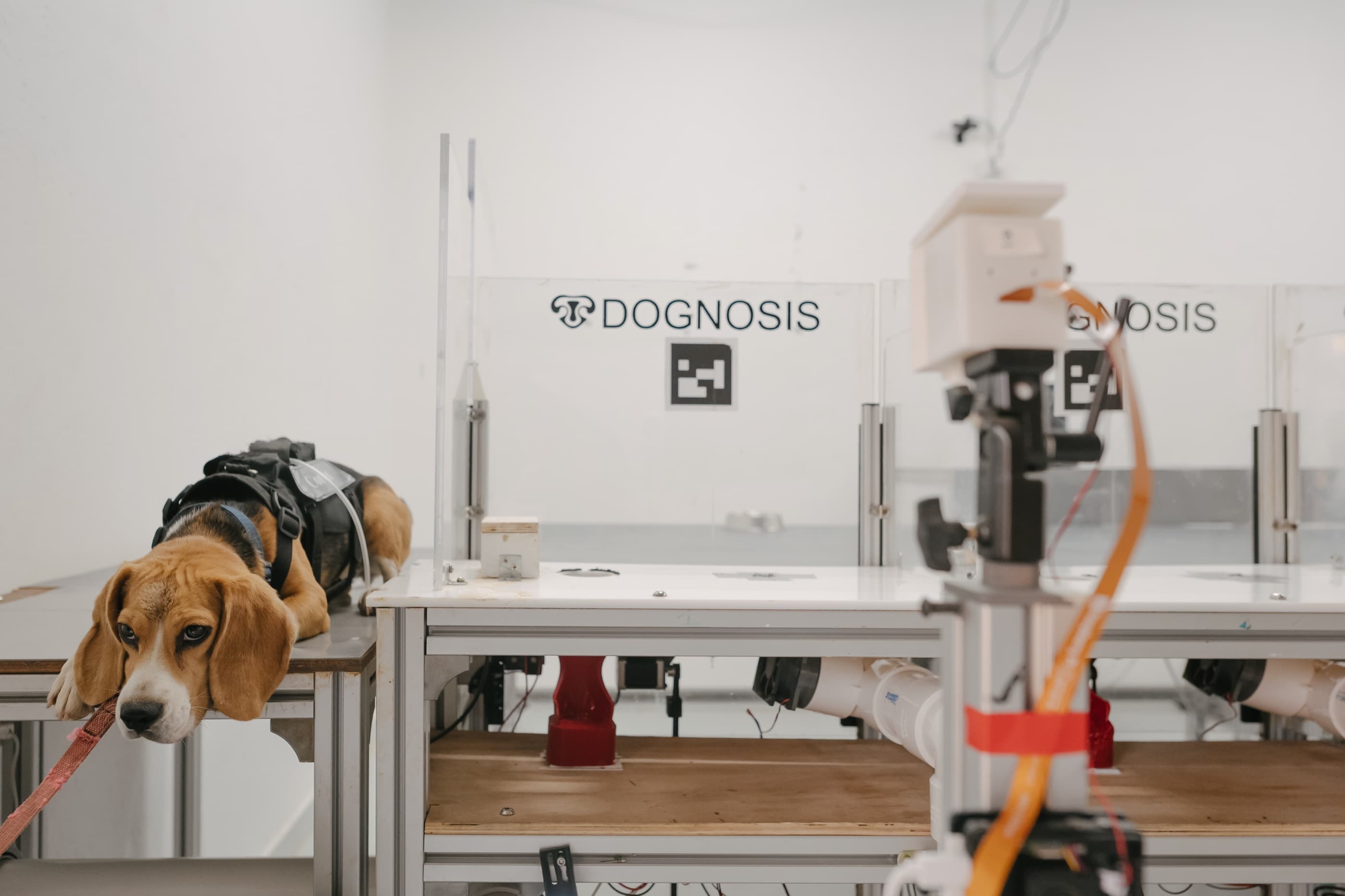
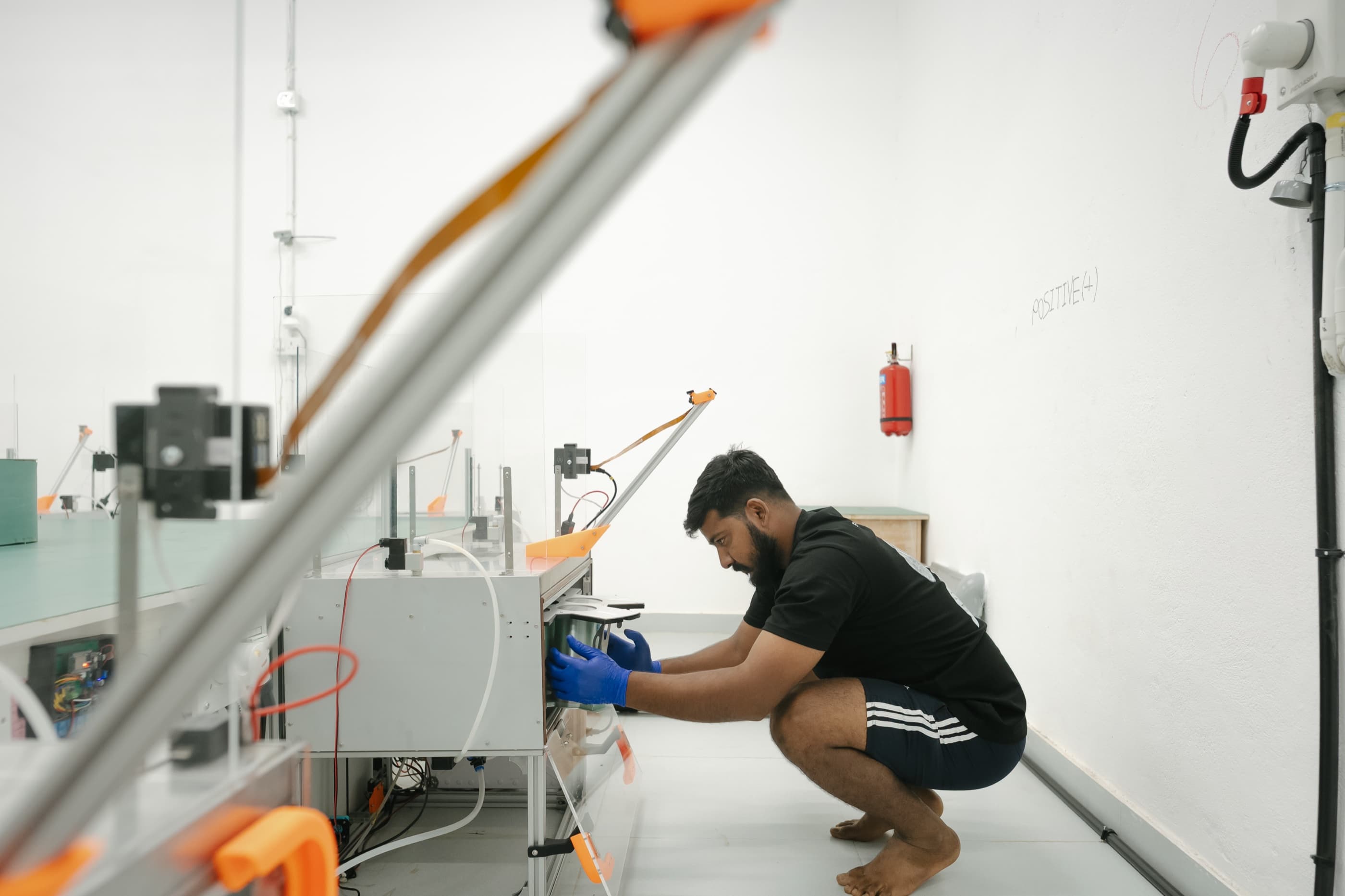
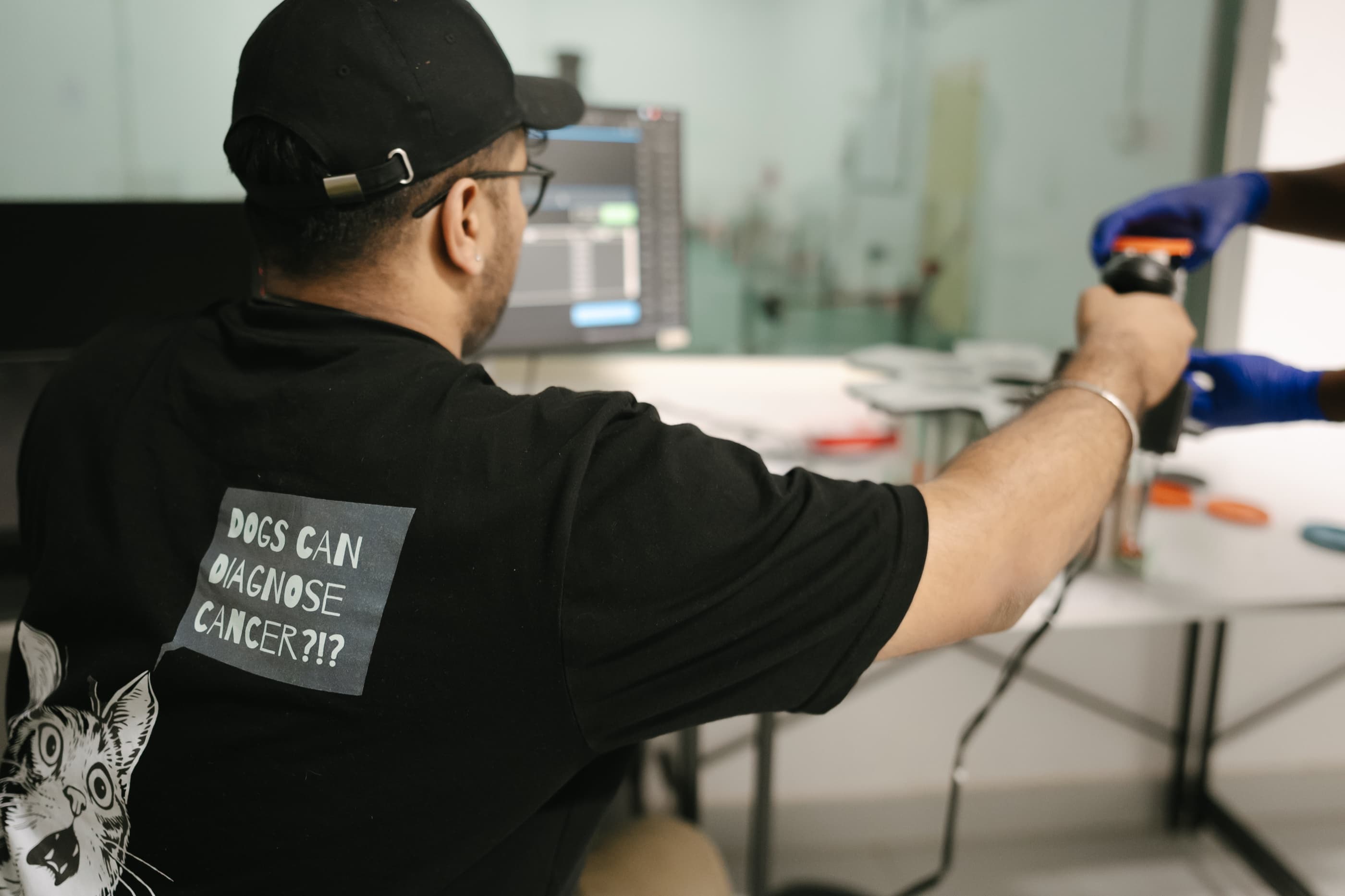
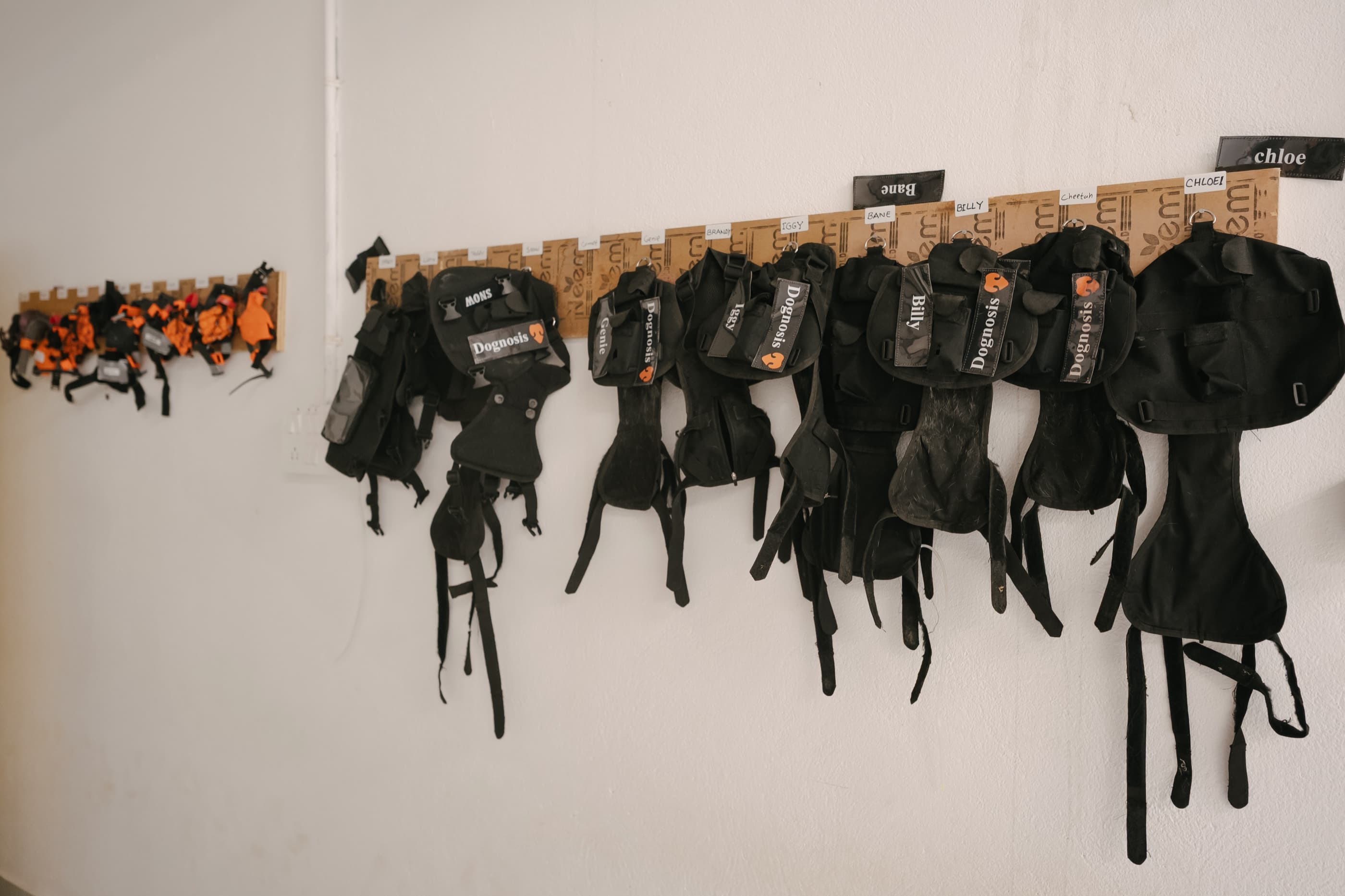
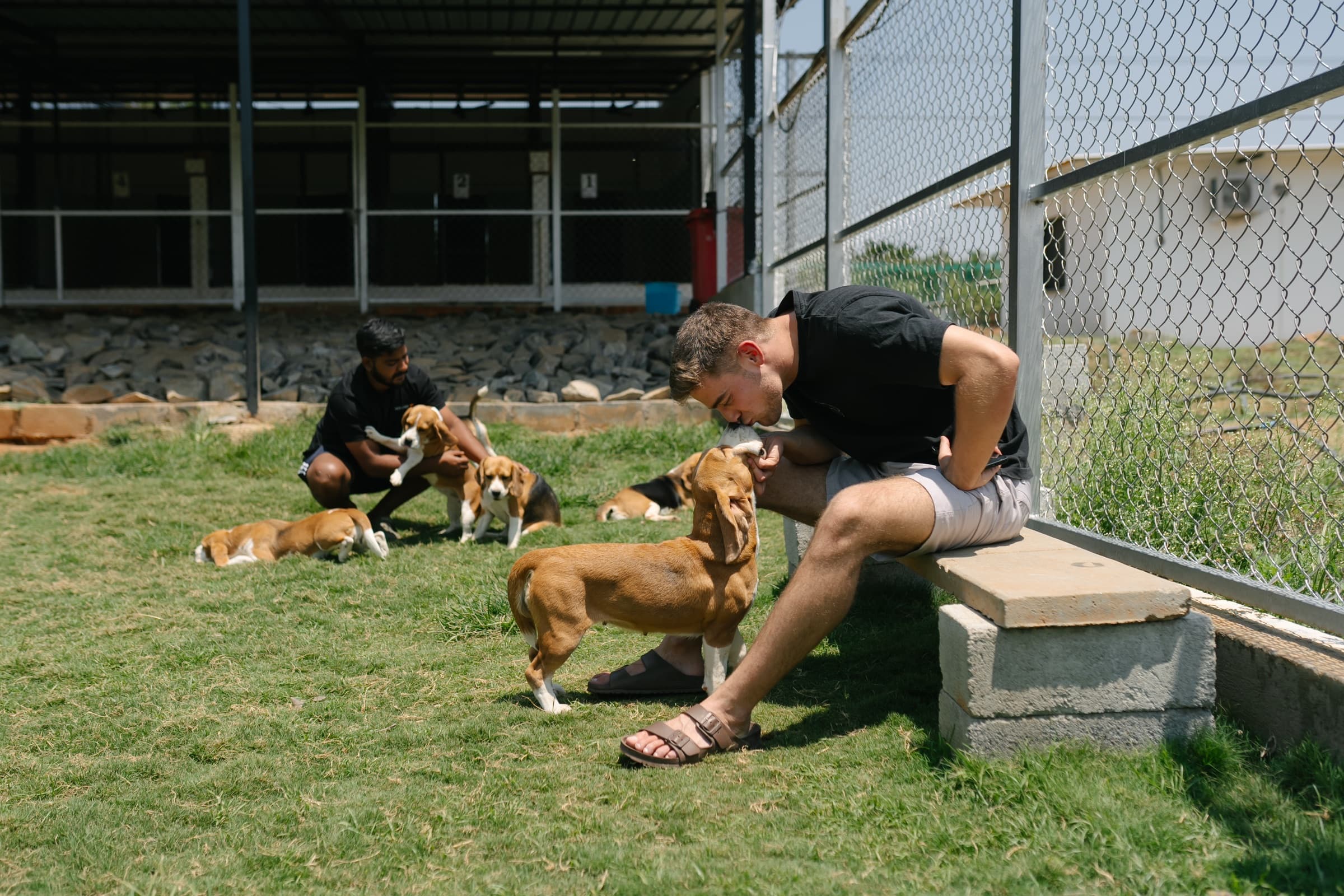
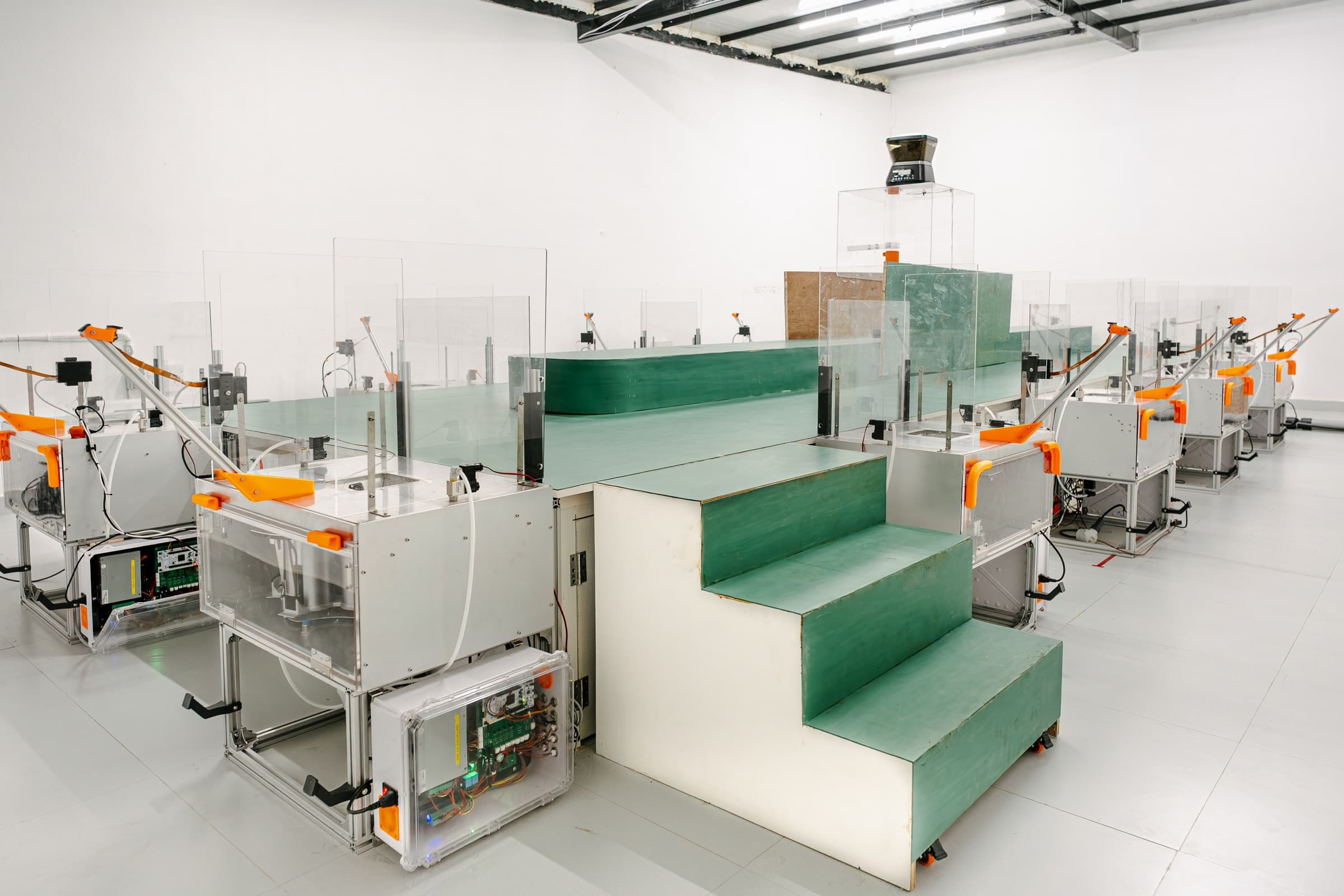
Dognosis is a deeptech company devoted to unleashing the superpowers of humanity's best friends. We build brain-computer interfaces, wearable sensors, robotic platforms and AI models to standardise, scale and augment canine olfaction. Our focus is a breath-based multi-cancer test that triages risk at population scale, so early cancer detection can reach everyone. Our mission is informed peace of mind for people and their companions, through interspecies technology that makes medicine truly proactive. We are based in Bengaluru, India, backed by Boost VC and 1517 Fund, selected for the Accel and Prosus Atoms X LeapTech cohort, and we work with healthcare and research institutions across India, the UK and the US.
We think from first principles, question the status quo, take responsibility, move fast and keep bureaucracy to a minimum. If you are new to startups, you may find the constant contact with reality, and the freedom to act on it, refreshing.
About the role
Bengaluru (On-site) | Full-time
The Dognosis Breath Test flags cancer risk from a single breath. You will build the simulation models that decide what should happen next for a person who tests positive, first in India and then in the US, and what early detection is worth to patients and health systems.
What you'll do
- Build an individual-level microsimulation of cancer screening: simulated people, each with their own cancer onset, stage progression, and outcome, taken through our pathway of breath test, blood panel, and imaging.
- Use the model to set our risk thresholds, retest intervals, and imaging pathway, and to estimate imaging volume and false-positive workups.
- Lead data analysis of cancer registries (SEER and Indian national registries such as NCDIR), nationally representative surveys, and clinical trial datasets to estimate incidence, stage distribution, survival, and screening uptake, and adapt US data to the Indian population.
- Combine these data analyses with published literature to build well-sourced, defensible model inputs, stated as ranges, and run best-case and worst-case scenarios.
- Run cost-effectiveness analyses (QALYs, ICERs) with deterministic and probabilistic sensitivity analyses.
- Project population-level outcomes of the Dognosis Breath Test: cancers caught earlier, lives saved, and costs avoided.
- Use AI coding tools to move fast, and review, test, and challenge the code they write. You own the model's correctness.
- Act as the statistical peer for our Science team, including improving our Bayesian detection model, which updates each person's prior risk with our dogs' calls.
What we look for
- You have built a microsimulation or Monte Carlo model that simulates individuals, not cohort averages, and you know where its assumptions break.
- You come from a quantitative field such as industrial engineering, operations research, applied math, physics, economics, biostatistics, or epidemiology. Simulation work outside health counts: infectious disease, weather, traffic, finance, or revenue management.
- You hold a Master's with 2+ years of hands-on modeling experience, or a PhD with 1+ year. A PhD is preferred.
- You write clean, reproducible code in R, Python, or Julia that someone else can rerun and audit. The language matters less than the discipline.
- You write clearly for async review and work well with investigators across time zones.
Good to have
- Experience in cancer screening, early detection, or health technology assessment.
- A cost-effectiveness analysis run end to end, sensitivity analyses included.
- Agent-based modeling, which carries over directly to microsimulation.
- Hands-on Bayesian modeling (Stan, PyMC, or similar), including Bayesian calibration of simulation models.
- Peer-reviewed work in medical decision making or health economics.
What success looks like
- 3 months: SEER, Indian registry, and Dognosis data compared side by side, with a clear account of how the populations differ.
- 6 months: a first India pathway microsimulation.
- 12 months: a first cost-effectiveness analysis ready for a manuscript and for payer conversations, and a US version of the model under way.
- Science brings you in on study design and Bayesian modeling questions as a matter of course.
The Modeling Program
The Dognosis Breath Test showed 90%+ sensitivity across six cancer types in Phase 2 and is now in prospective validation across multiple hospital sites in India, ahead of our launch in early 2027. You will work directly with Dr. Iakovos Toumazis, a member of our Scientific Advisory Board and an NCI-funded leader in cancer screening modeling, along with our US-based investigators. Your models decide which risk scores should send someone to imaging, how soon to retest, and how much imaging the pathway will need. They then turn those decisions into the evidence clinicians, payers, and partners need.
What you'll get
- Health insurance for you, through Plum.
- Flexible hours, and work-from-home days where the role allows.
- Up to ₹10,000 a year towards a gym, a sport or any regular fitness activity.